
Russian athletes might be permitted to participate in the 2028 Olympic Games in Los Angeles. This comes after the International Olympic Committee (IOC) previously banned them due to the Russian invasion of Ukraine.
Recent reports suggest that the IOC has provisionally lifted its ban, following its decision in 2023 to suspend the Russian Olympic Committee, a year after Russia initiated conflict with Ukraine.
At the time, the IOC declared that the Russian Olympic Committee “is no longer entitled to operate as a National Olympic Committee” and “cannot receive any funding from the Olympic movement.”
However, the potential return of Russian athletes hinges on the adherence to a critical condition.
According to the BBC, it remains unclear whether Russia will be allowed to display its national symbols such as the flag and anthem. The IOC has reiterated its commitment to “not organise IOC events in Russia or invite Russian government or state officials to its events.”
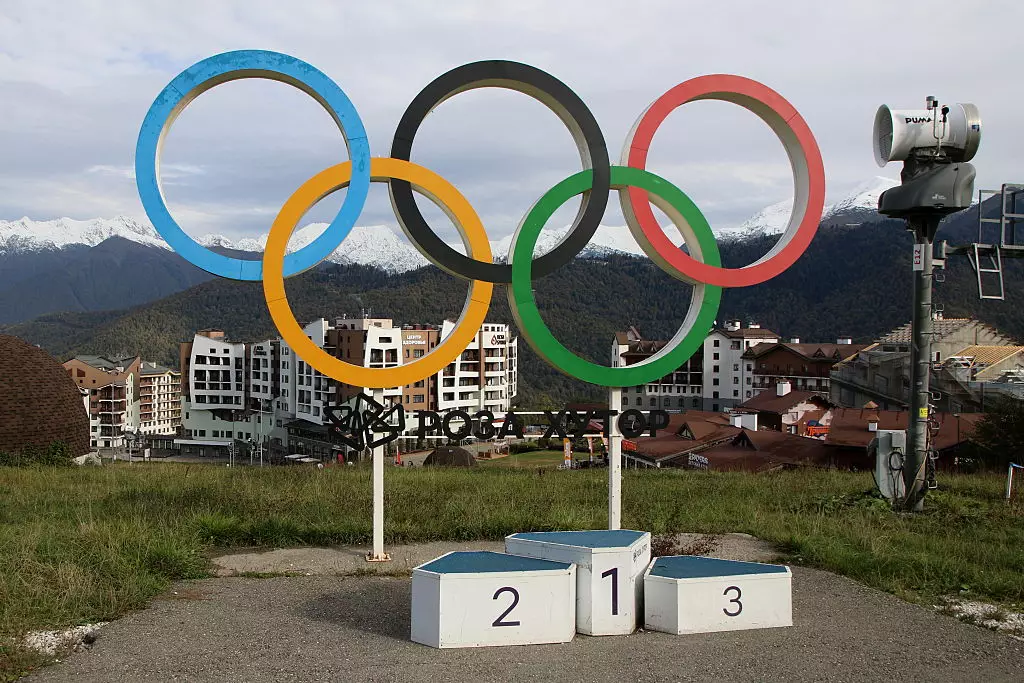
Russian participation is contingent upon compliance with “relevant anti-doping requirements,” a significant stipulation given the country’s history of systemic doping, which led to the revocation of 51 Olympic medals across various competitions.
Although Russia’s seven-year doping ban was lifted in 2023, they were subsequently banned by the IOC due to their military actions in Ukraine. They now have a path to re-entry, provided they abide by the rules.
The IOC also confirmed that the “ROC no longer includes as members any regional sports organisations in territories falling under the jurisdiction of the NOC of Ukraine.”
The announcement has been positively received in Russia. Sports Minister Mikhail Degtyarev expressed on Telegram that the IOC is signaling that “the Olympic movement must remain free from politics.” He also confirmed Russia’s intentions to participate in the 2028 Olympic qualifiers in Los Angeles.
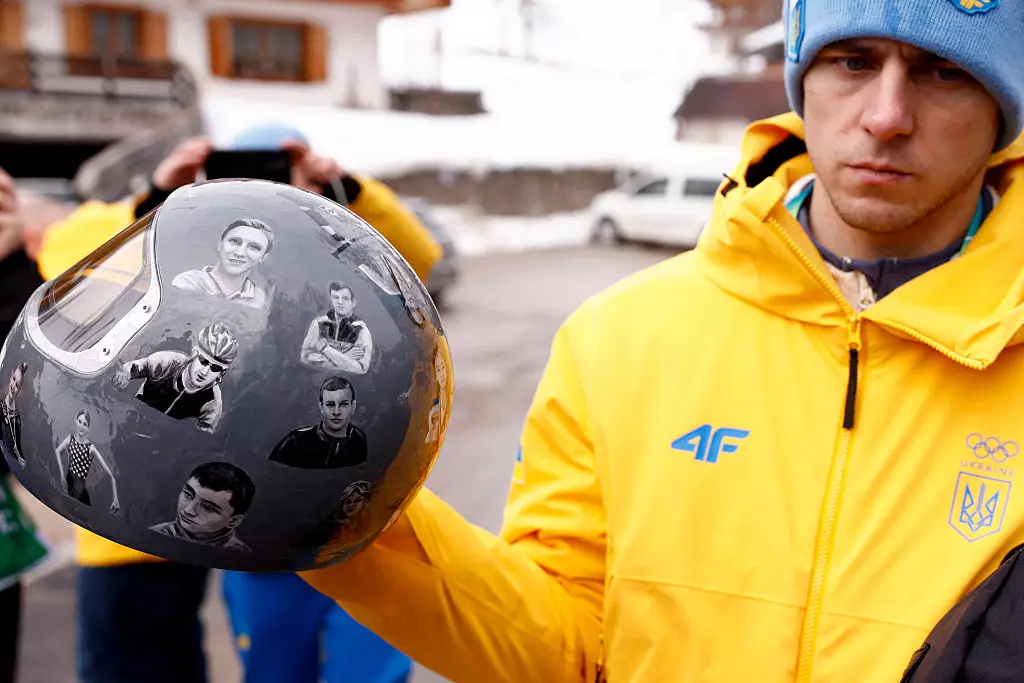
The Olympics has had instances where athletes were disciplined for political expressions during events.
For example, in February, Skeleton pilot Vladyslav Heraskevych wore a helmet in training that commemorated athletes who died during the Russian conflict. Despite warnings from the IOC, Heraskevych continued wearing it, resulting in his ban. The IOC stated that the helmet “does not comply” with the Olympic Charter, and he was instructed not to wear it.