
If you have observed that every player at the World Cup is sporting pink boots, your eyes are not playing tricks on you. However, some experts are suggesting that this bold choice could potentially be a ‘disaster’.
The World Cup has delivered many unforgettable events, ranging from surprising upsets and electrifying last-minute goals to contentious VAR calls and extended-time thrills.
Trump has found himself involved in one of the World Cup’s major controversies, reportedly assisting USA soccer player Folarin Balogun in evading a one-match suspension after receiving a red card against Bosnia and Herzegovina.
However, keen observers have pointed out one peculiar aspect unrelated to the on-field action—the majority of players seem to be donning bright pink soccer boots.
The widespread presence of pink is not accidental. It is a result of the three largest football boot manufacturers—Nike, Adidas, and Puma—providing footwear to most of the tournament’s competitors.
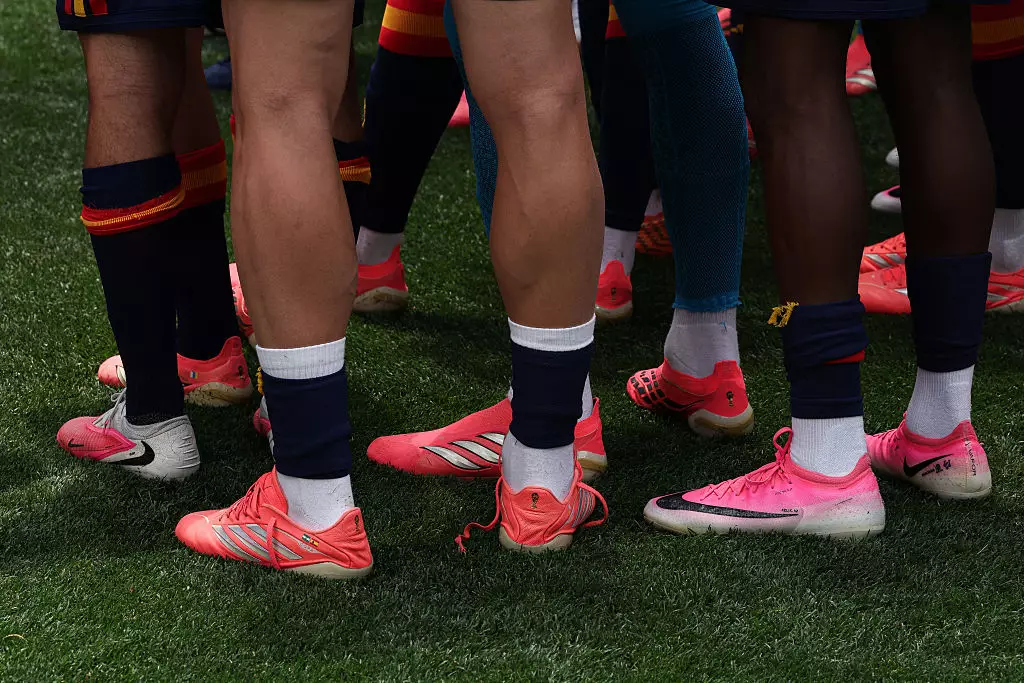
Prior to the games, each brand revealed its newest boot line – and by coincidence, the leading three all opted for almost the identical design.
Nike launched its ‘Breakout Pack’, Adidas introduced the ‘Road to Glory Pack’ featuring a striking ‘Solar Turbo’ color scheme, and Puma debuted the ‘Showtime Pack’ with an eye-catching ‘Poison Pink’ gradient.
Nevertheless, experts argue that the shocking pink design has turned into a marketing ‘disaster’ for the brands.
Sneaker aficionado Solesavvy commented that this year, ‘no one is standing out’.
On Instagram, they posted: “Historically, World Cup collections were themed around cities and countries, incorporating patterns and colors linked to local culture.
“This year, every brand seems to have read the same 2025 trend report about pink being the ‘it’ color for spring/summer ‘26.”
The Business Standard indicated that this choice was not merely a fashion statement – it has scientific reasoning too.
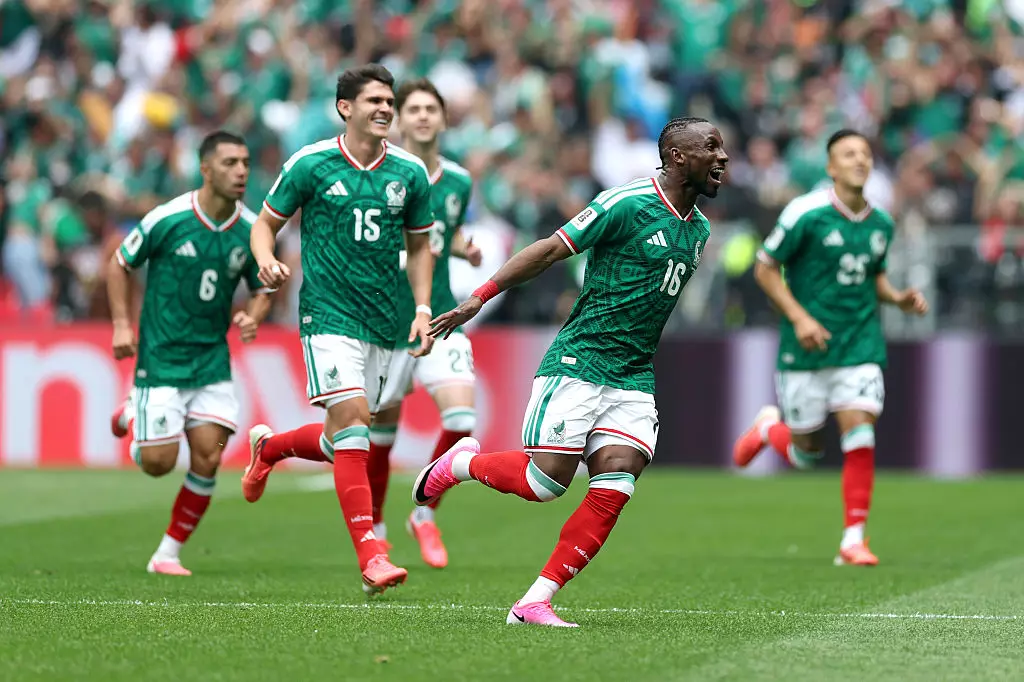
Pink is positioned opposite green on the color wheel, providing a strong contrast against the grass and making the boots more visible during a match.
This wasn’t a last-minute decision either, as brands start designing their World Cup boot collections up to two years ahead of the event.
This year has also seen a range of rule changes, many of which aim to quicken the game and penalize players who delay it. Some of these new rules are expected to be contentious.
Players being substituted now have only ten seconds to leave the field via the nearest exit, or else their replacement will be delayed by one minute during the next play stoppage, leaving their team with 10 men until then.
If a referee considers a player is taking too long for a throw-in or goal kick, they will initiate a five-second countdown by which the ball must be put back in play. If not, the opposing team will take the throw-in, or the other team will earn a corner for a delayed goal kick.
An injured player treated off-field by medical staff must remain off the pitch for one minute, reducing their team to 10 players.
VAR can now be utilized to review wrongly awarded corner kicks; second yellow cards leading to a red card; when a player is mistakenly given a yellow or red card for another player’s actions; and any attacking fouls before the ball is in play.
Players covering their mouths in confrontational situations will be penalized with a red card. It’s believed they might do this to prevent lip reading while racially abusing others, which is suspected to have occurred previously.
Any player exiting the pitch in protest of a referee’s decision will receive a red card, and if a team leaves the field, causing the match to be abandoned, they will forfeit the game.