
An unapproved weight loss drug has been associated with potentially harmful symptoms, following reports of a fatality involving a user.
The trend of using medication for weight loss has gained popularity among those aiming to reduce their size.
While some medications have entered the market through proper regulatory channels, others have managed to bypass these checks.
It’s crucial to ensure that any weight loss drug you consider is specifically designed for that purpose.
Otherwise, there could be unforeseen effects on your body beyond just weight loss.
Take, for instance, Retatrutide, a product by Eli Lilly, which is still undergoing clinical trials and lacks approval for weight loss purposes.
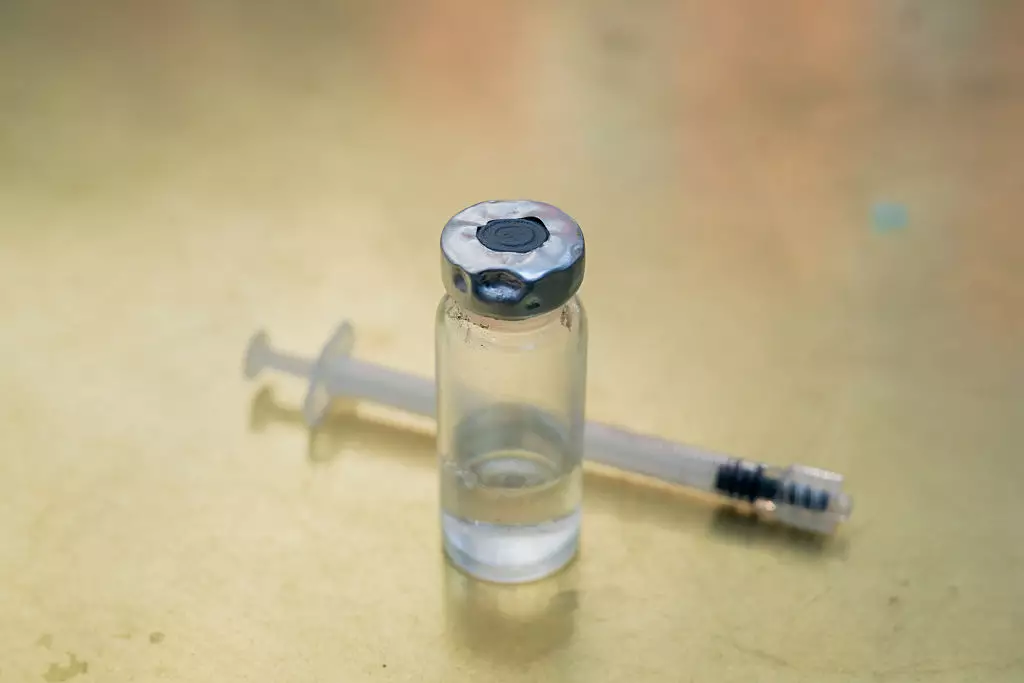
Despite its unapproved status, some individuals are still attempting to use it for weight loss.
The manufacturer’s site warns: “Retatrutide is an investigational molecule available only to participants in Lilly’s clinical trials, where its safety and efficacy are still being evaluated. It has not been approved by any regulatory agency, and no one should take anything claiming to be retatrutide outside of a Lilly-sponsored clinical trial.
“Illicit retatrutide products may contain unknown ingredients, harmful contaminants and impurities.”
The Medicines and Healthcare products Regulatory Agency (MHRA) has already reported suspected side effects of retatrutide, including nausea and sickness. However, there’s another unexpected effect: emotional flatness, which could affect relationships.
This effect, termed ’emotional flatness,’ has been discussed on TikTok as users describe losing affection for activities and people after starting retatrutide.
One user mentioned how they had ‘stopped food craving and lusting as well’.
Another shared feeling ‘unbothered by 99% of everything’.
But can peptides truly affect romantic feelings?
Some studies suggest it’s possible.

This is because drugs like retatrutide target the mesolimbic system, potentially affecting the reward system in the brain.
Neuroscientist Paul Kenny from the Icahn School of Medicine at Mount Sinai in New York states that research on this is still in early stages.
He told the Guardian: “We still know very little about what GLP-1 does in the brain.”
“Chemically, the effects may vary among different patient groups, but there’s also a dopaminergic component: dopamine, a hormone released in the brain in response to stimuli, may decrease when using these peptides. This creates challenges related to desire and sexual attraction, potentially impacting overall sexual function,” he explained. “Oestrogen is a key sex hormone, so taking GLP-1s might disrupt its balance, which can lead to emotional disturbances. This issue appears to be more pronounced in women using these peptides.”
Amidst the increasing use of the drug, the Daily Mail reported a tragic incident involving a man in his 30s in the UK who died due to complications after taking it.
UNILAD has previously sought comments from Eli Lilly regarding the situation.