
The United States has interred a massive time capsule containing a range of everyday and historic artifacts, destined never to be seen by anyone currently alive.
On Saturday, July 4, a 900-pound (400kg) stainless steel capsule was sealed and buried in Philadelphia. This event was part of a grand celebration marking 250 years since the United States’ Declaration of Independence from Britain.
Authorities have stated that the capsule is scheduled for reopening in the year 2276. This means the contents will remain untouched for nearly two and a half centuries, aligning with the tricentennial anniversary of the nation.
This occasion marks the 250th anniversary of the Declaration of Independence signing on July 4, 1776. Historians view this as the true birth of the nation, prompting reflection on both the founding ideals and the more challenging periods, including slavery and inequality.
Inside, the capsule contains a broad and unique representation of contemporary America, featuring contributions from all 50 states, five US territories, and numerous cultural and sports organizations. This collection aims to provide future generations with an authentic glimpse of life in 2026.
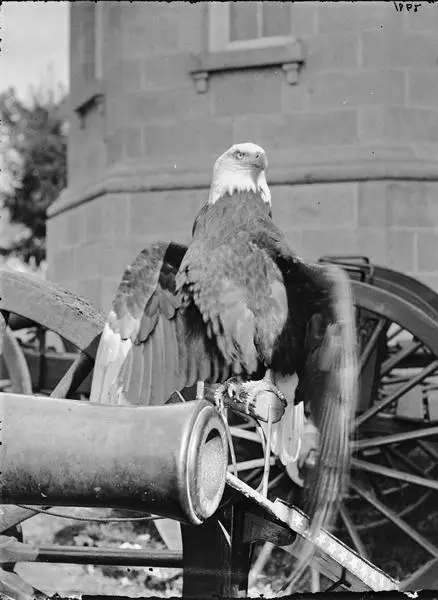
The assortment includes a brown feather from “Old Abe,” the legendary bald eagle mascot who fought alongside Union soldiers in over 30 Civil War battles, contributed by Wisconsin. Ohio provided a piece of fabric from the Wright brothers’ 1903 aircraft.
Additionally, Maine included a bone from an endangered North Atlantic right whale, Arkansas added a diamond, and New Mexico offered a traditional anise-flavored cookie recipe.
California submitted a printed response from an artificial intelligence chatbot, Claude, which was asked to predict the state’s future appearance when the capsule is reopened in 2276.
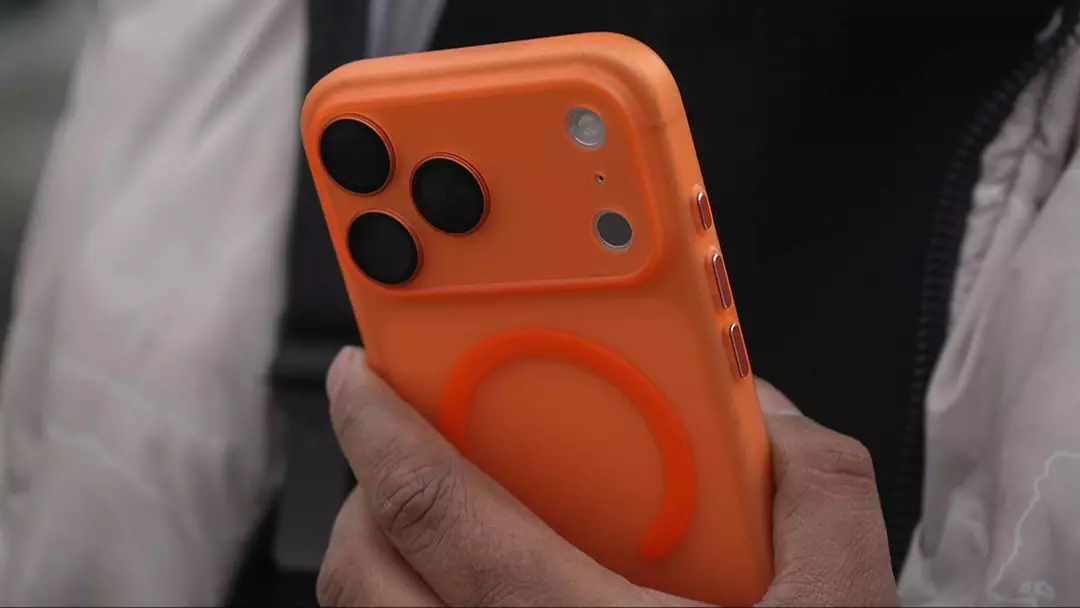
Modern artifacts are also included, such as an orange iPhone symbolizing the centrality of smartphones in American life, and a pin commemorating the Oklahoma City Thunder’s 2025 NBA championship victory.
Some proposed items were not included, like a leather American football, rejected due to concerns it might decompose long before the capsule is reopened.
A notable contribution is the Library of Congress’s molecular data storage device, a small metal vial containing synthetic DNA encoded with digital copies of selected Library items.
This device features digitized historic items, including Thomas Jefferson’s Declaration of Independence draft, Francis Scott Key’s original “The Star-Spangled Banner” lyrics, and other rare materials from the Library’s collections.
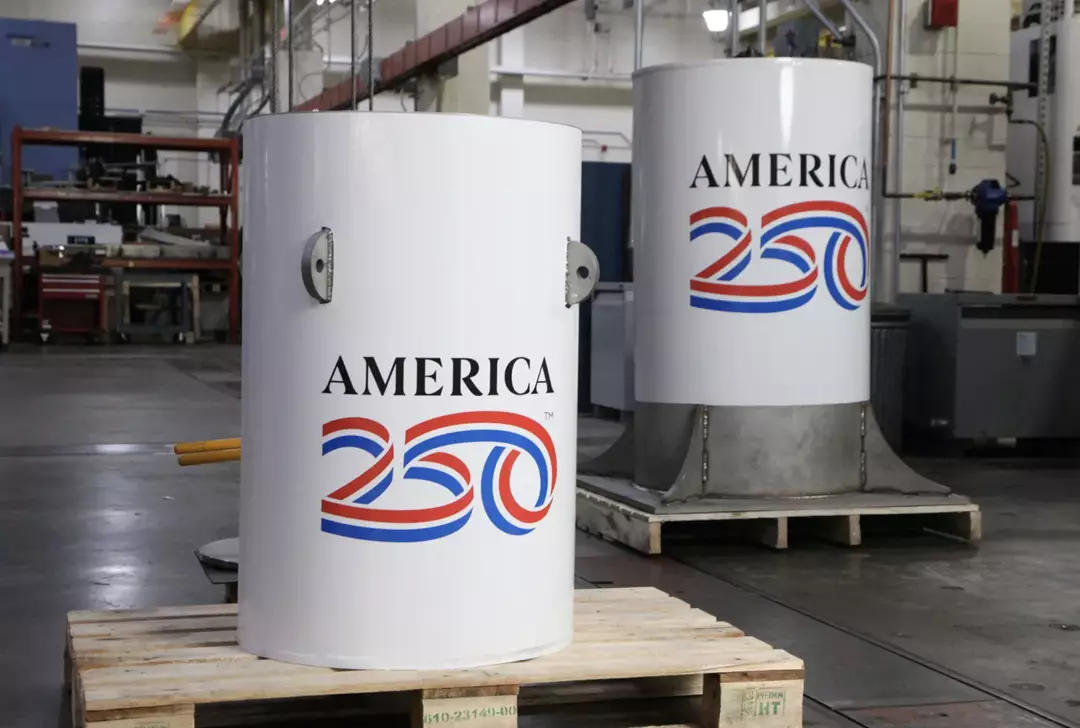
Rosie Rios, chairwoman of the America250 organization, which spearheaded the project, stated the capsule aims to serve as a genuine chronological record of the nation.
“Together it all makes for a representative record of the United States at 250 years,” Rios commented.
The stainless steel cylinder was chosen to reduce seams and joints, minimizing moisture intrusion over centuries. It’s encased in a metallic bell for an airtight seal, further protected by a soft indium metal layer.
NIST mechanical engineer Jay Nanninga, who led the design, expressed confidence in the capsule’s durability. “I do think in 250 years all the stainless will be in really good shape,” he asserted.
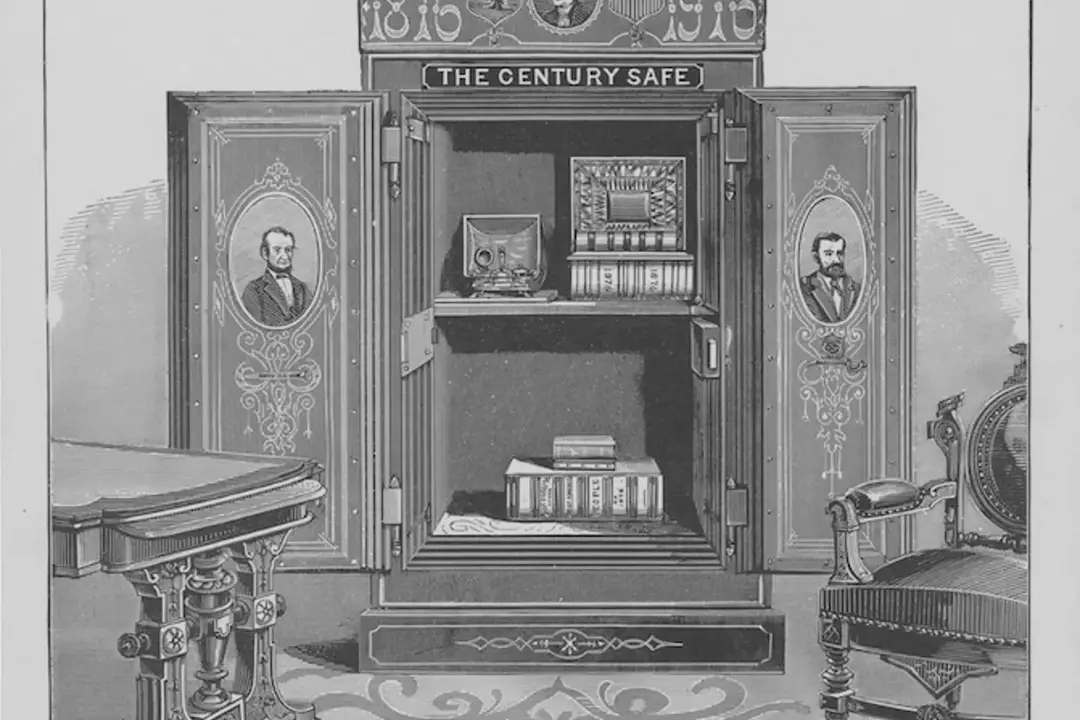
This continues America’s tradition of burying time capsules to commemorate significant milestones, including one sealed during the 1876 centennial and opened a century later, and another from the bicentennial set to be unveiled in 2076.
Rios expressed a desire for the new capsule to authentically reflect the nation’s values when it is eventually opened.
“When the new capsule buried in Philadelphia is finally opened in 2276, we want future generations to have a clear, authentic window into who we were at 250,” she expressed.
“What we valued, what we built, and how we saw ourselves as a nation.”