
Mark Zuckerberg has shared his perspective on the impact of AI on jobs, contrasting with Bill Gates’ view that only a few professions are secure from its reach.
The billionaires are in a standoff, particularly regarding their differing opinions on artificial intelligence.
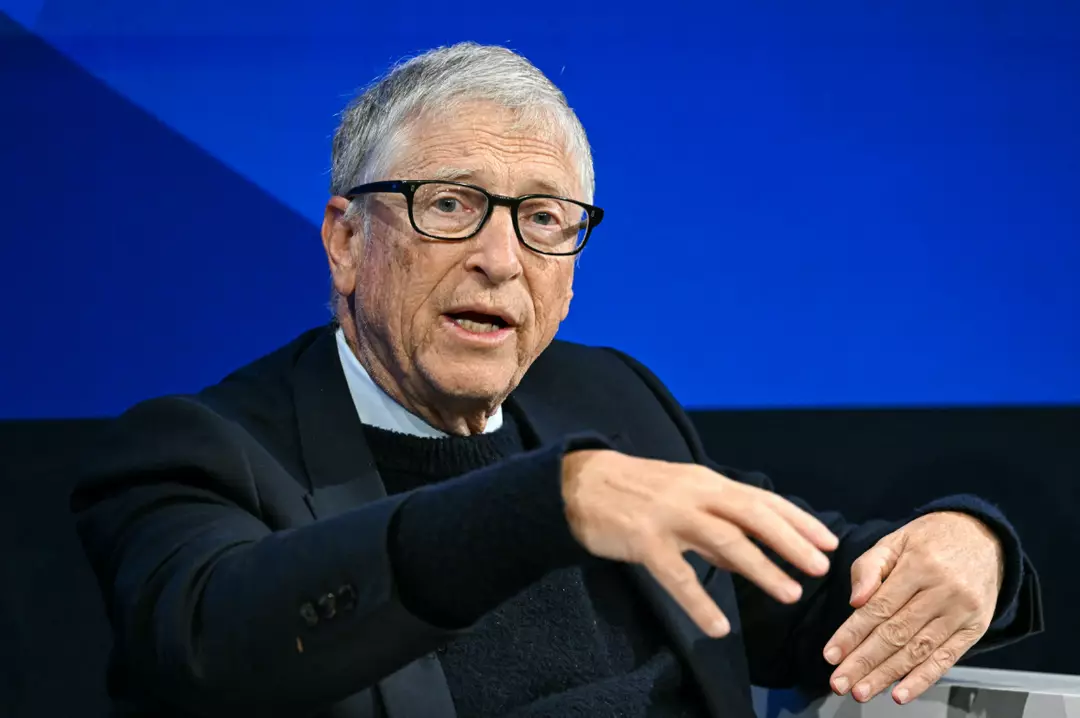
Recently, various reports have highlighted Microsoft’s founder Bill Gates discussing AI and the roles he believes will remain unaffected in the future.
According to Gates, professions such as coding, energy expertise, biology, and athletics are unlikely to be replaced by AI.
This implies that many other occupations might be at risk.
Concerning, indeed.
In contrast, Meta’s CEO, Mark Zuckerberg, has offered a different take on the notion that AI will lead to job loss, despite his own company cutting numerous positions recently.
Meta has been reducing its workforce since May as part of efforts to streamline operations, while simultaneously expanding its AI initiatives.
One key focus is Meta AI.
Despite the recent layoffs, Zuckerberg expressed during a live discussion with Idea Generation on June 26 that widespread job loss due to AI is unlikely.
He believes AI could actually expand the workforce.
Zuckerberg explained that such fears are unfounded, telling the audience: “I think that people assume that that’s inevitability. I don’t actually think it is.”
He emphasized his interest in ‘personal super intelligence’ AI, which is designed to collaborate with individuals rather than replace them.
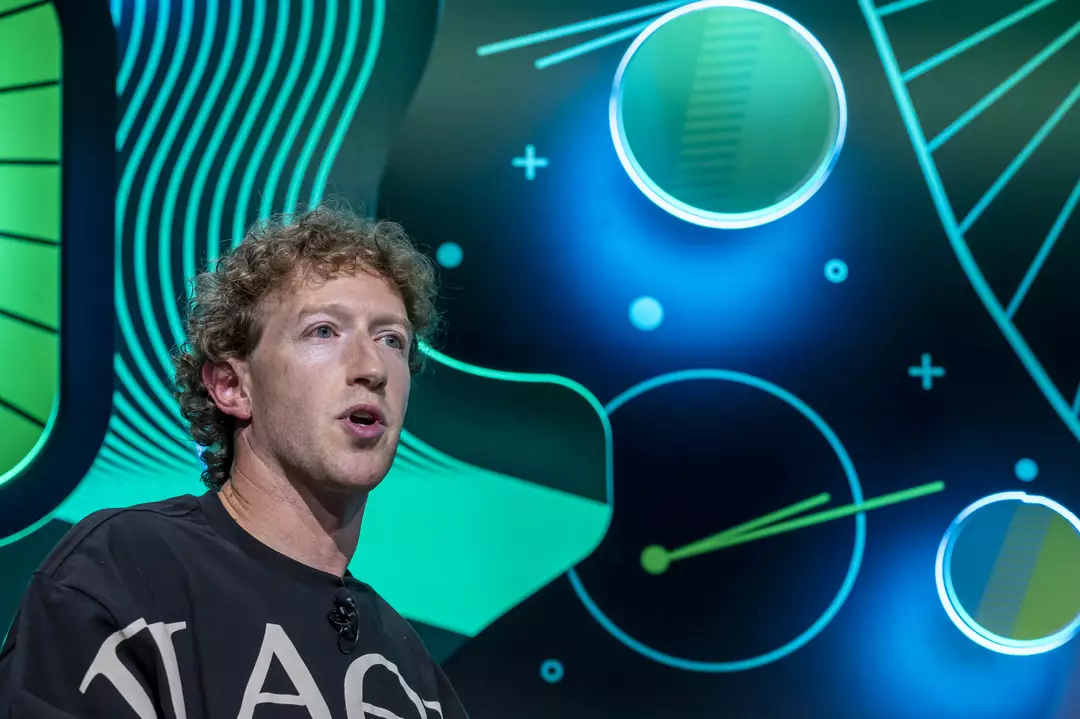
Zuckerberg elaborated: “If you have a balance where some companies are focused on making it so that companies can work more efficiently, but others are focused on more of this personal super intelligence vision where you’re like empowering individuals and making people more productive at each step along the way, then I think it’s probably going to be pretty good.”
So, who has got it right: Zuckerberg or Gates?
It’s challenging to say for sure, but Gates has a record of some inaccurate forecasts.
For instance, he predicted that Spam emails would vanish within two years, yet spam folders remain full.
He also anticipated that traditional passwords would become obsolete, replaced by biometric identification.
Additionally, Gates foresaw digital tablets dominating computing, which hasn’t materialized as expected.
We’ll have to wait and see how the future unfolds.