
Cooking a turkey is a quintessential part of Thanksgiving traditions. However, a chef advises against stuffing the turkey to ensure a delicious meal.
If your turkey doesn’t go by names like Waddle, Gobble, Peach, or Blossom, there’s a good chance it wasn’t one of the lucky birds pardoned by Donald Trump this year. Therefore, with the right preparation, your Thanksgiving dinner should be successful, unless you plan to stuff the turkey.
You might be questioning this advice, given the abundance of turkey cooking tips available. However, Delish’s food editor and chef, Taylor Ann Spencer, outlines four reasons why stuffing a turkey might not be the best idea.
“But while I’m typically a big fan of holiday traditions, this is one that I will NEVER participate in,” Taylor emphasizes. The use of all caps on “NEVER” underscores her strong stance.
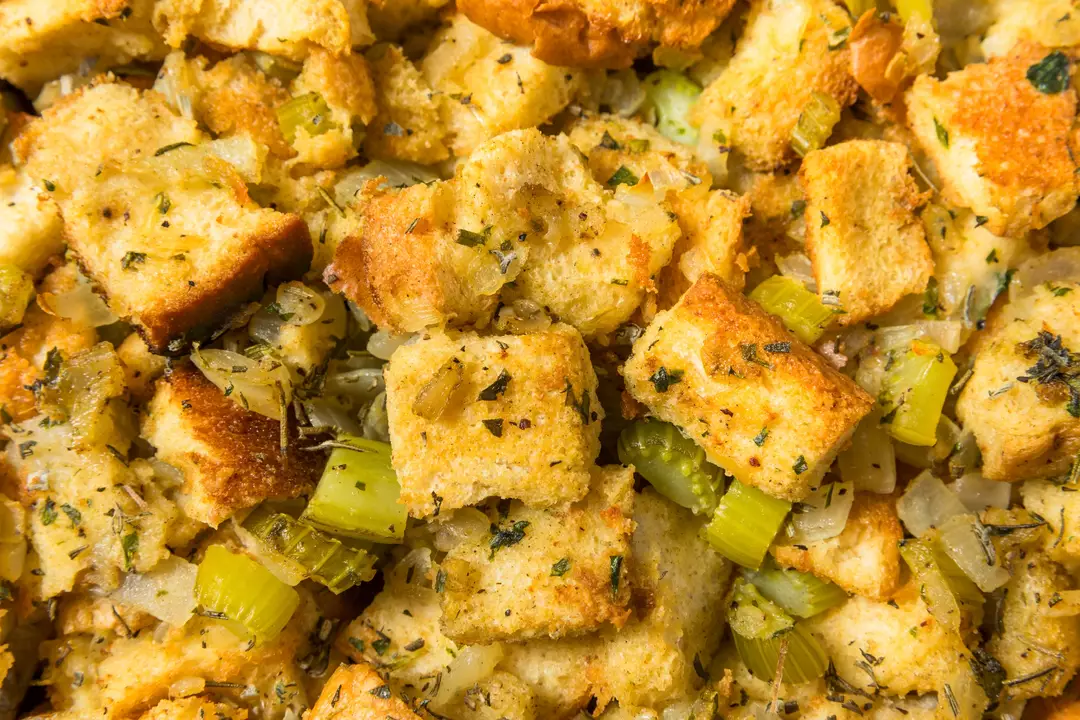
In her article for Delish, Taylor notes that stuffing poultry, such as a chicken breast or a whole turkey, increases its density. This added density results in a longer cooking time to reach the appropriate temperature for a safe and tasty meal.
If you decide to stuff it with something light like cheese or thin ham, it may be alright. However, traditional sage stuffing can significantly alter the cooking process.
“Between the density of the stuffing and the fact that the hot air can no longer circulate through the turkey to cook it from all sides, you’re looking at a SIGNIFICANT increase in cooking time. I’m talking an extra hour,” she mentions.
Dry turkey is not ideal, especially when hosting family for Thanksgiving. It’s wise to avoid the risk of uneven cooking due to dense stuffing.
Taylor elaborates: “See, because the stuffing has been inserted into the center of the turkey when the turkey is still raw, it’s critical that the center of that stuffing reaches 165° in order to be safe for consumption. And by the time that happens, the turkey surrounding it will be wildly overcooked. I’m talking 40° over the recommended temperature.”
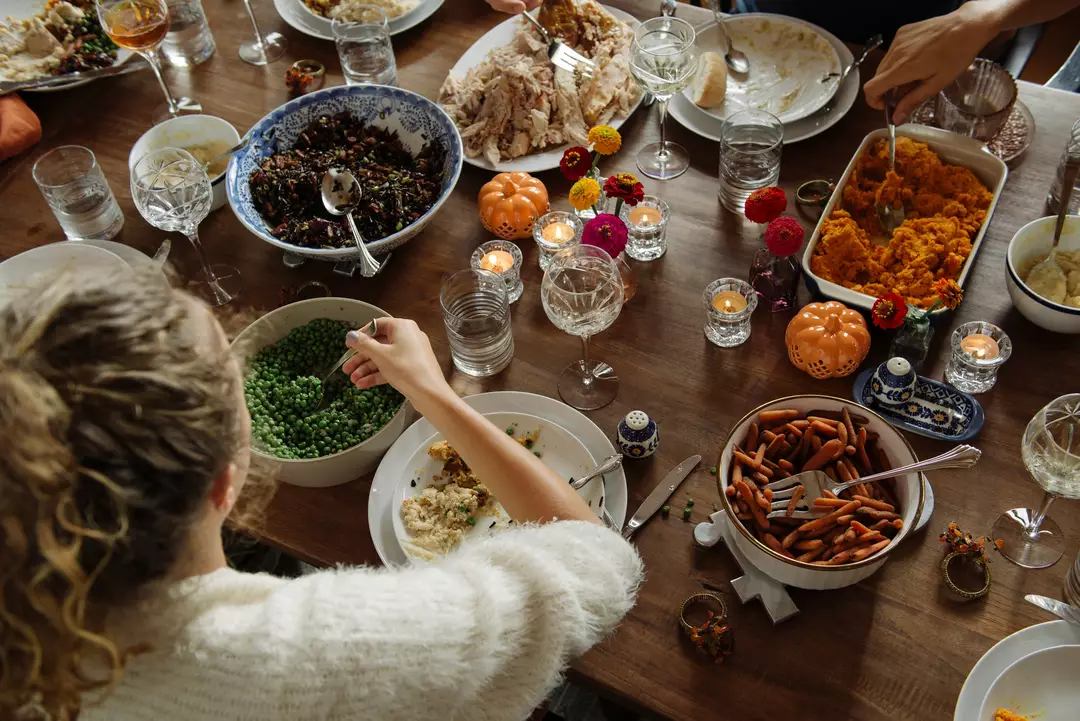
If you were hoping the turkey would add moisture to your stuffing, be prepared for disappointment. According to Taylor, the result is not just moist but rather ‘soggy.’
No one wants soggy stuffing on Thanksgiving. “When you bake a pan of stuffing in the oven, you get this browned, crisp top that goes wonderfully with the soft, steaming (not dry!) interior of the stuffing. That textural contrast is essential to a great stuffing for me,” she explains. “But when you bake the stuffing inside the turkey, it steams completely, so you don’t get any browning or crispness anywhere. Instead, you’re just left with a lump of soggy bread mush.”
For those looking to master the art of cooking turkey and stuffing for Thanksgiving, Taylor shares her expert tips. She suggests baking the stuffing separately in a pan and allowing the turkey to cook on its own. Keep the stuffing covered until the last ten minutes to achieve a crisp top.
For those desiring a turkey flavor in their stuffing, Taylor recommends basting it with the turkey’s cooking juices once both dishes are completely prepared.