
Social media users are expressing concern over AI’s impact on the reliability of photographs as evidence, following a new demonstration of the technology’s capabilities.
The debate revolves around the necessity of taking photos when AI can create realistic images in mere moments. This is the latest issue buzzing on social media platforms.
The controversy surrounding AI has been escalating, from the creation of virtual actresses potentially replacing humans in films to companies offering services to simulate conversations with deceased relatives.
Now, it seems AI is encroaching upon everyday activities like taking photos.
Whether you’re on holiday or dining out, with the right tools, you could convincingly appear to be at an upscale restaurant instead of spending the evening at home.
For example:
At first glance, the image on the right might seem to depict a woman enjoying herself at a luxurious bar. However, both images were entirely generated by Nano Banana and Nano Banana Pro subscription services.
An X user noted that the images exemplify how advanced technology has become, blurring the line between reality and fabrication.
The user commented: “And just like that, the age of photographic evidence is over. 1826-2025. Update your epistemology accordingly.”
Google’s Gemini 2.5 and 3 model includes the Nana Banana service.
In its November 20 announcement, the company explained that Nana Banana Pro can produce remarkably accurate and context-rich images, leveraging enhanced reasoning, world knowledge, and real-time information.
The company stated: “Nano Banana Pro is the best model for creating images with correctly rendered and legible text directly in the image, whether you’re looking for a short tagline, or a long paragraph.”
Some users expressed apprehension, with one suggesting: “There needs to be a federal law that AI-generated content be watermarked. It is imperative that this happen soon.”
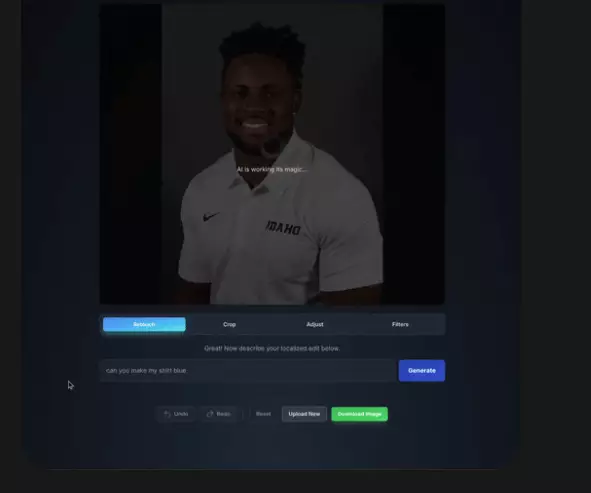
Others had a different perspective. One woman hoped AI’s ability to create realistic images might eventually lead to the decline of social media, suggesting it would benefit humanity’s well-being.
Another user dismissed the idea that AI has reached a level where it can easily deceive people into believing an image is genuine, saying: “I think we very much remain in the age of photographic evidence.”
But how can we tell if an image is AI-generated?
Some users pointed out identifiable markers.
One individual noted: “While hard to notice at a first glance, there are still clear tells that an image is AI. It remains to be seen if those will be entirely removed in 2026 or soon.”
Another added: “You can still tell these are AI. The hands, and the ceiling foreshortening.”
UNILAD reached out to Google for comment.