
Researchers believe they may have finally unraveled the mystery behind two peculiar ‘blobs’ located deep within the Earth.
These formations, officially known as large low-shear-velocity provinces (LLSVPs), were first identified over four decades ago through seismic data gathered from earthquakes.
One of these LLSVPs is situated beneath Africa, while the other is beneath the Pacific Ocean.
Scientists suggest that these structures could have been present for hundreds of millions of years. However, over time, various hypotheses have emerged concerning their nature and origin.
“These are not random oddities,” explained geodynamicist Yoshinori Miyazaki of Rutgers University, as reported by ScienceDaily.
“They are fingerprints of Earth’s earliest history. If we can understand why they exist, we can understand how our planet formed and why it became habitable.”
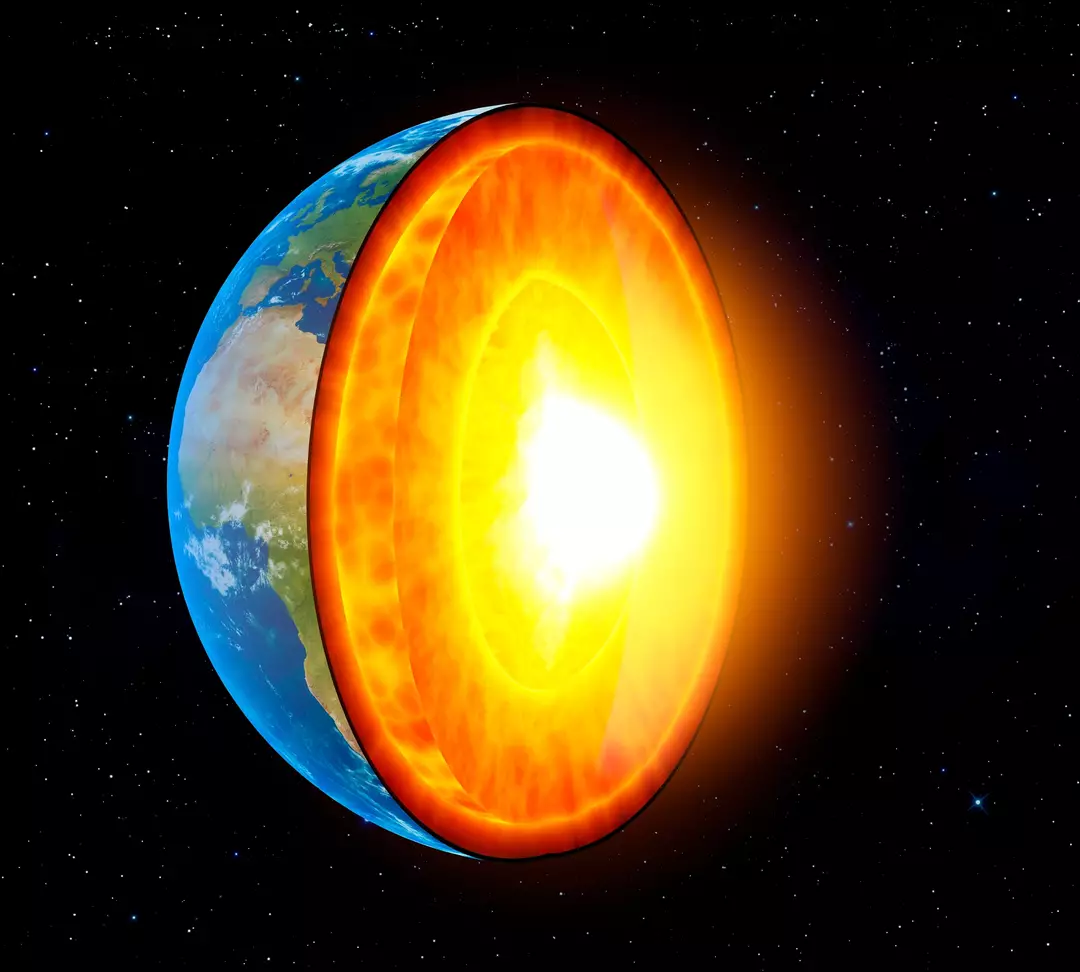
Miyazaki points out that the Earth was once covered by a vast ocean of molten rock. As this ocean cooled, it gave rise to the LLSVPs and ultra-low velocity zones.
“That contradiction was the starting point,” Miyazaki continued. “If we start from the magma ocean and do the calculations, we don’t get what we see in Earth’s mantle today. Something was missing.”
The research team posits that over billions of years, core materials such as silicon and magnesium might have leaked from the core, contributing to the formation of the LLSVPs and the ultra-low velocity zones, as well as their unusual material composition.
“What we proposed was that it might be coming from material leaking out from the core,” Miyazaki said.
“If you add the core component, it could explain what we see right now.”
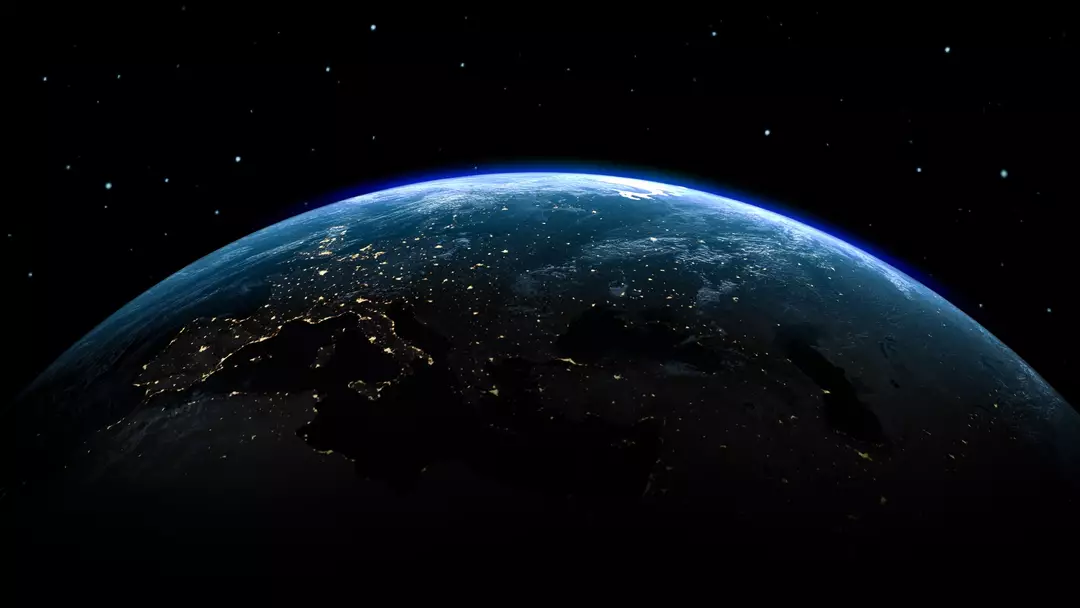
This sequence of events might also provide insights into how life originated on Earth and why our planet became suitable for life, unlike Mars and Venus.
“Earth has water, life and a relatively stable atmosphere,” Miyazaki said.
“Venus’ atmosphere is 100 times thicker than Earth’s and is mostly carbon dioxide, and Mars has a very thin atmosphere. We don’t fully understand why that is. But what happens inside a planet, that is, how it cools, how its layers evolve, could be a big part of the answer.”
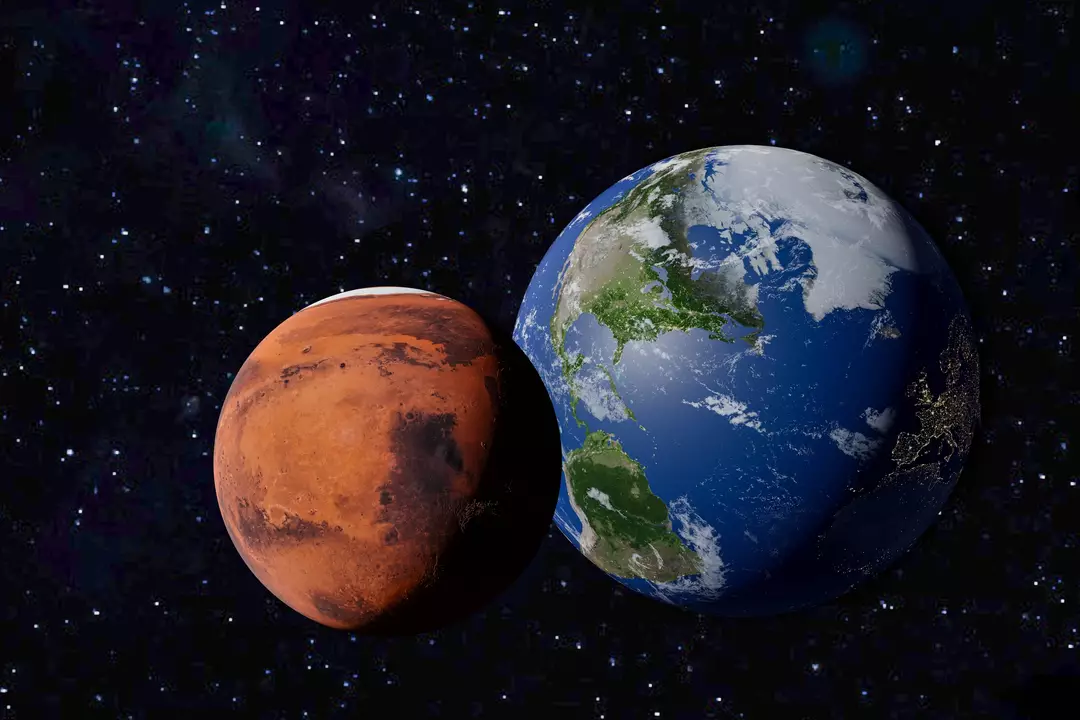
In conclusion, understanding these ‘blobs’ has provided scientists with a deeper appreciation of Earth’s ancient history and the processes that shaped it.
Jie Deng of Princeton University, a co-author of the study, stated: “This work is a great example of how combining planetary science, geodynamics and mineral physics can help us solve some of Earth’s oldest mysteries.
“The idea that the deep mantle could still carry the chemical memory of early core-mantle interactions opens up new ways to understand Earth’s unique evolution.”