
A Philadelphia lawyer, recognized for his expertise in catastrophic injury and death cases, has voiced concern about a specific product he would never use.
Tom Bosworth, with extensive experience in handling cases involving hazardous products, warns about potential risks we often overlook in everyday household items.
Many household products come with a range of dangers, from fire hazards and suffocation risks to direct injuries, choking, electrocution, and chemical contamination.
Bosworth emphasizes that such risks make certain products particularly concerning, and he has identified one product he personally avoids due to its potential dangers.
So, which product does he steer clear of?
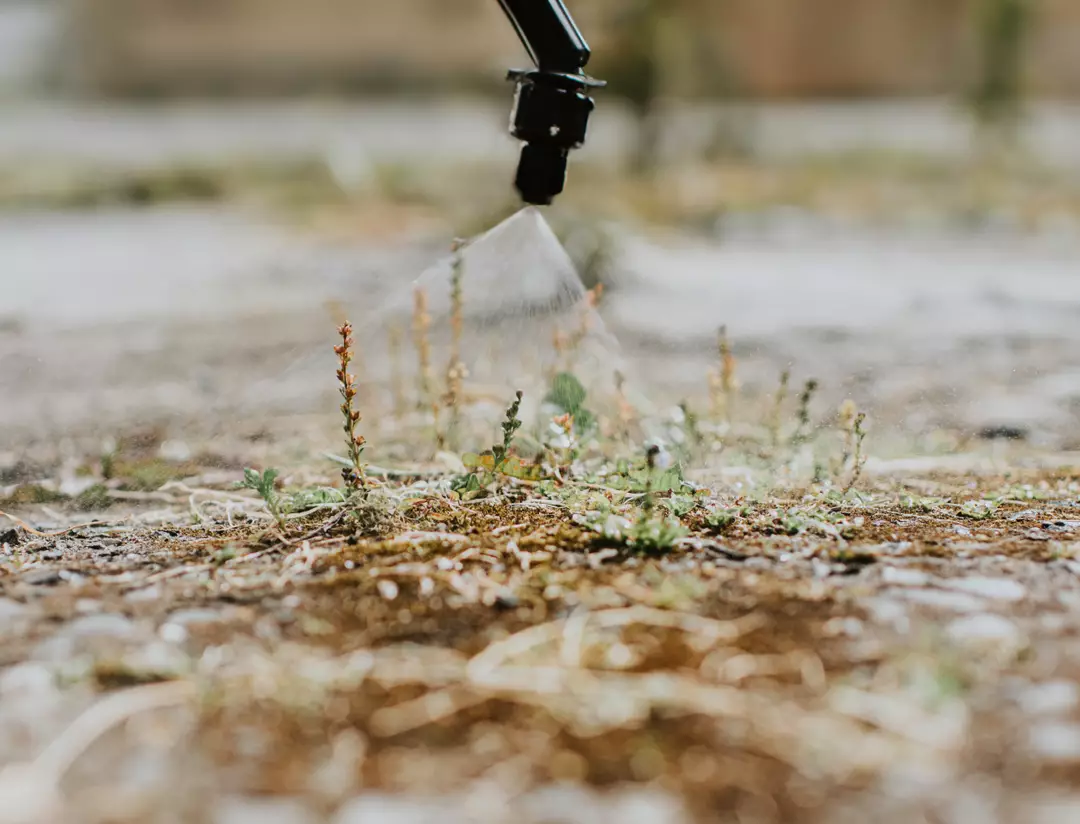
On his TikTok channel, Bosworth stated that he avoids any products containing the chemical glyphosate.
“As a catastrophic injury and death lawyer, I deal with some of the most dangerous products and some of the worst situations in the world,” he explained.
“But if you were to ask me what’s the one product that I’m most afraid of that I would never go near – it’s without a doubt glyphosate.”
This chemical is commonly found in weedkillers in Australia.
“There has been study after study that demonstrates the link between the weed killer and non-Hodgkin’s lymphoma,” Bosworth noted.
“The latency in people can be five, 10, 20 years. You might not get the diagnosis until 20 years after using the product.”
He further stated, “It’s a product I’d never touch.”
Despite these concerns, some experts argue that more research is required to firmly establish a link between glyphosate and specific cancer types.
Professor Lin Fritschi, an epidemiologist at Curtin University’s School of Public Health, remarked on this issue.
“The fact the IARC stated there is ‘suggestive evidence’ that glyphosate causes cancer means more information is needed on the issue,” she explained.
However, she stressed the importance of clear labeling regarding the substance.
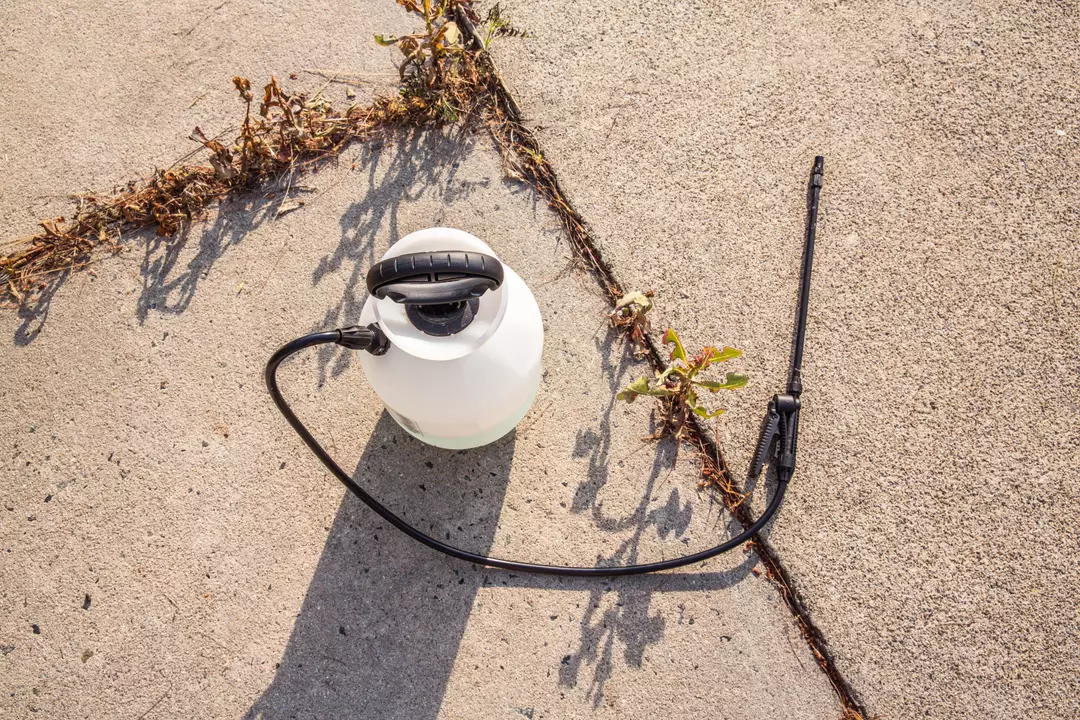
“For glyphosate, the manufacturers recommend wearing eye protection, a respirator with a replaceable filter, rubber gloves, and cotton overalls buttoned at the neck and wrist,” she pointed out.
“A strong message from this is that labeling of pesticides in Australia needs to be improved.”
Despite these concerns, Australia’s pesticide regulator has authorized the use of glyphosate until 2035, citing insufficient evidence to warrant a ban, unlike several other countries such as Vietnam, Austria, Belgium, and France, which have imposed restrictions and bans.