
An expert has shared a cautionary note regarding the health risks associated with shoveling snow, explaining why this common winter task can lead to medical emergencies for many individuals.
As winter sets in, clearing snow from driveways becomes a necessary chore to ensure safety and accessibility. However, it’s important to recognize that for some, this activity poses significant health risks.
Emergency departments often brace themselves for an influx of heart attack cases and other vascular problems following substantial snowfall.
So, what exactly links shoveling snow to these health issues? The answer might come as a surprise.
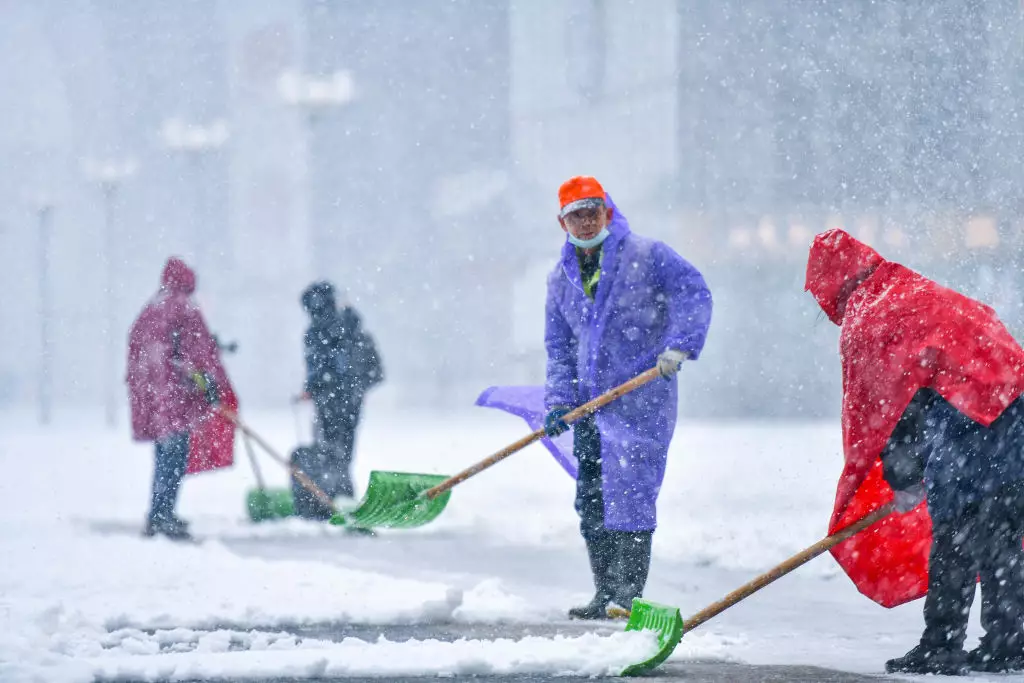
According to Harvard Health, individuals who engage in snow shoveling typically do not exercise regularly.
“Picking up a shovel and moving hundreds of pounds of snow, particularly after doing nothing physical for several months, can put a big strain on the heart,” it states.
The cold temperatures can worsen the situation by ‘increasing blood pressure, disrupting blood flow, and making blood more prone to clotting’.
Lawrence Phillips, a cardiologist at NYU Langone Medical Centre, elaborated on the physiological effects.
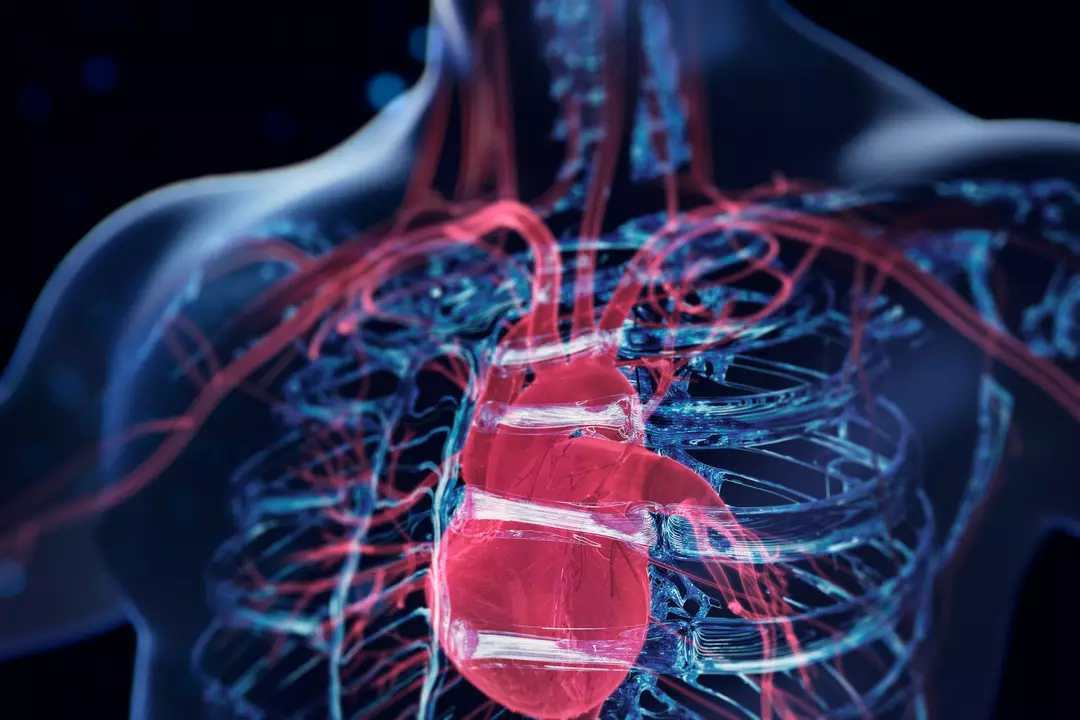
He explained to The Independent: “Physically, what happens when you get really cold is you have constriction of the blood vessels.
“It decreases the blood supply you’re getting to your vital organs.”
Phillips advised against starting snow shoveling if one hasn’t been physically active.
“If you haven’t been exercising and you haven’t been exerting yourself, this is not the time to start,” he noted.
“The amount of work that goes into shoveling snow is tremendous.
“People will underestimate the amount of work they are doing.”
Phillips highlighted that because shoveling is a ‘goal-oriented’ task, people often find it difficult to determine when it’s time to stop.
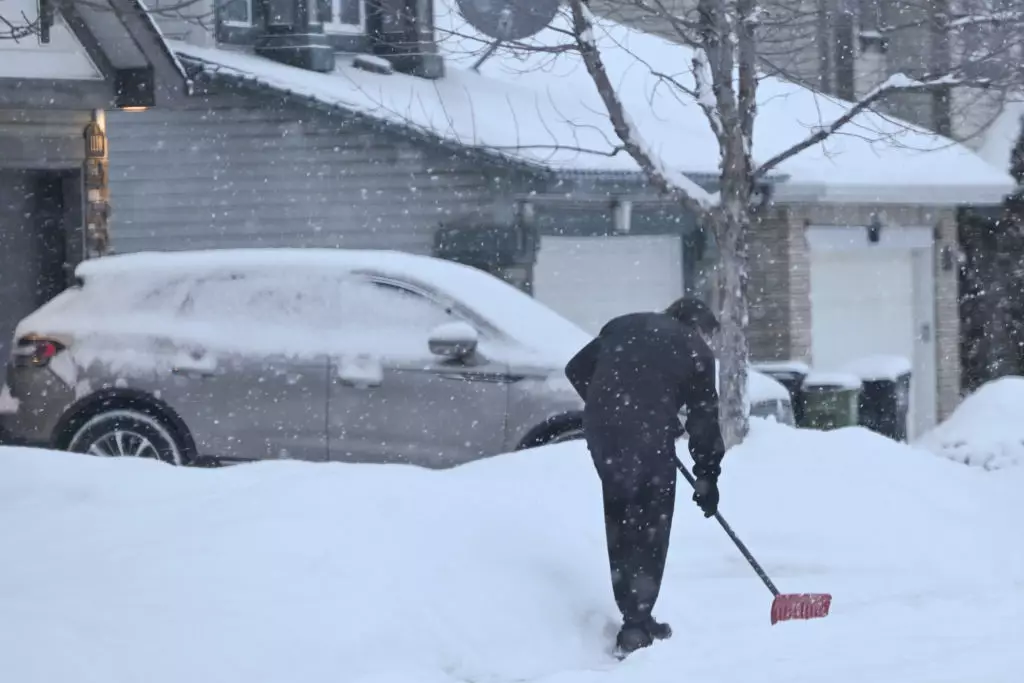
For those who must shovel snow, Harvard Health suggests a few precautions. It advises to:
If you notice any unusual symptoms, seeking medical attention is crucial. Symptoms of a heart attack may include: