
A doctor has identified the cause of a prevalent issue affecting athletes, with some taking unconventional steps to address it.
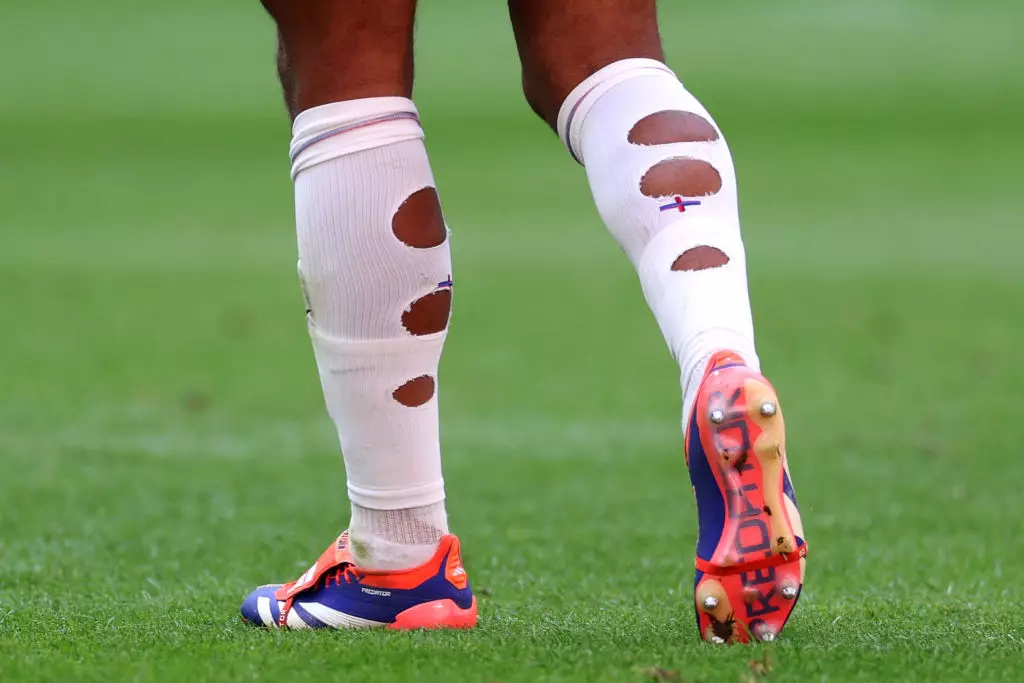
During the World Cup, some players have resorted to cutting holes in their footwear, affecting both their socks and shoes.
This has resulted in the unusual sight of elite athletes on the field with their heels protruding from their shoes.
Despite its distinctive appearance, the decision to make these cuts is not a fashion statement. A doctor has explained that it could be an effort to manage a specific health condition.
Dr. Donald Grant, a GP and Senior Clinical Advisor at **The Independent Pharmacy, explained that creating openings in the heels of cleats might be beneficial for the players.
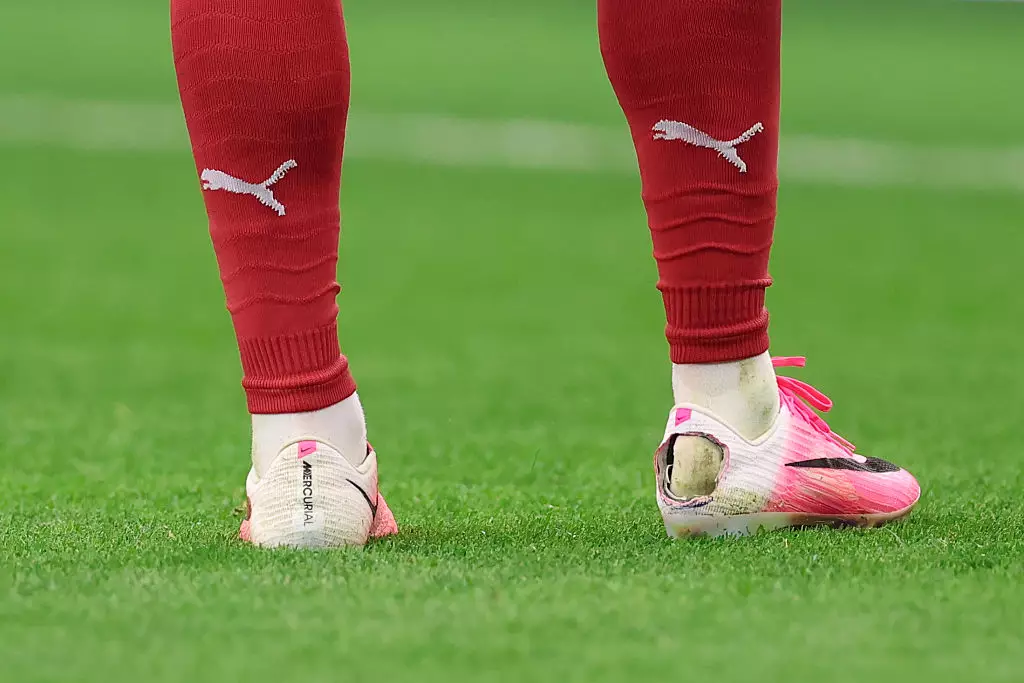
The condition in question is called Haglund’s Syndrome, also referred to as ‘pump bump’, which is common among athletes, including World Cup footballers.
Dr. Grant clarified that this condition is caused by ‘irritation around a bony prominence at the back of the heel’.
“It’s particularly common among athletes, including football players, due to tight boots, repeated sprinting and sudden changes of direction, all of which can increase the risk of irritation, leading to this injury,” he stated.
But what complications can arise from Haglund’s Syndrome?
Dr. Grant noted: “Haglund’s Syndrome is typically associated with three main issues: a bony enlargement at the back of the heel bone, an inflamed bursa (which is the fluid-filled sac between the heel bone and Achilles tendon), and irritation of the Achilles tendon itself.”
He also emphasized that while Haglund’s Syndrome might explain certain symptoms, ‘not every persistent pain felt in the heel can be attributed to Haglund’s Syndrome’.
He advised: “Anyone who may be experiencing discomfort should monitor it closely and consider seeking advice from a qualified medical professional if it worsens or fails to improve over the course of a week or two.”
But the pressing question remains: how effective is the technique of cutting holes in football boots?
“While this can definitely reduce pressure on the heel and help avoid friction, it should not be viewed as an effective way to treat the injury,” the doctor explained. “Many players use this as a quick, practical way to manage discomfort during a match, but it’s not a proven way to prevent it.”
He added: “To avoid Haglund’s Syndrome, individuals should wear properly fitted footwear with adequate heel support and padding. Shoes that are too tight, too rigid, or repeatedly rub against the back of the heel can exacerbate irritation.
“Cutting shoes can relieve immediate pain caused by Haglund’s Syndrome, and creating space in the shoe may reduce rubbing against the affected area, but it will not address the bony prominence, inflammation, or any irritation affecting the Achilles tendon.”