
Experts caution that after a certain threshold, using a fan can actually exacerbate the heat.
When experiencing a heatwave, many instinctively reach for a fan for relief. A gust of air might temporarily combat the heat, but experts say that the benefit of a fan diminishes once temperatures reach a certain point.
Moreover, in particularly high temperatures, a fan could worsen the situation.
While fans are beneficial in milder conditions and can help circulate air during nighttime, their effectiveness declines as temperatures rise.
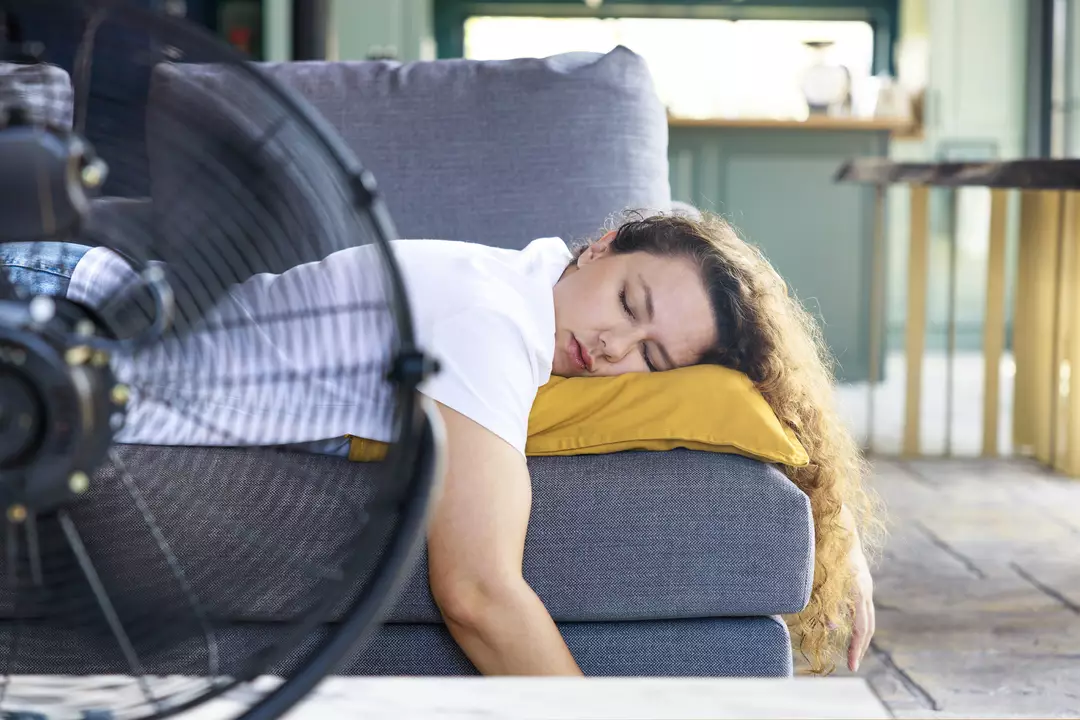
This occurs when room temperatures near the human body’s temperature, approximately 95 degrees Fahrenheit.
When it’s cooler, the air from a fan aids in evaporating sweat, offering a cooling effect.
The US Centers for Disease Control and Prevention advises against using a fan if the air temperature exceeds 90F, as reported by TODAY.
Once the air temperature surpasses the body’s core temperature, fans cease to be beneficial.
Instead, the fan merely circulates hot air.
If this hot air is directed at you, it could dry out your skin and increase fluid loss.
It’s crucial to stay hydrated by drinking plenty of water in hot weather.
Thus, while fans can be helpful, it’s important to maintain a lower air temperature.
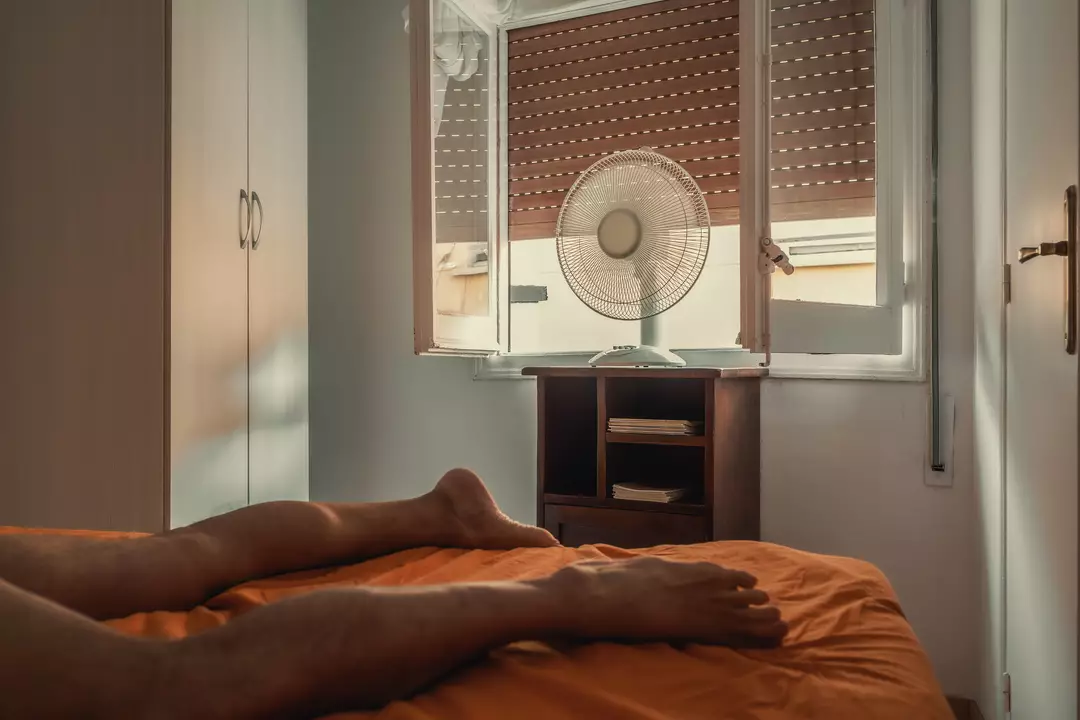
If air conditioning isn’t available, keep doors and windows closed during the hottest periods, then reopen them when temperatures drop to invite cooler air inside.
Surprisingly, other seemingly logical actions can also do more harm than good.
One such action is taking a cold shower before bed, which some experts suggest isn’t the most effective way to stay cool overnight.
While a cold shower might offer immediate relief, a doctor recommends a more effective option.
A lukewarm shower, neither too cold nor hot, can help by dilating the blood vessels, thereby keeping you cooler through the night.