
A discussion between Gwyneth Paltrow and Dr. Andrew Huberman, a neuroscientist, has brought a new weight loss drug to the spotlight, suggesting it might revolutionize our understanding of fat loss injections.
The conversation about retatrutide took place on the Goop Podcast.
Retatrutide represents the latest advancement in GLP-1 (glucagon-like peptide-1) therapies, which have been a major topic in the fields of biohacking, longevity, and wellness. Despite their popularity, these treatments do come with several side effects.
Huberman elaborated that earlier weight-loss medications were successful in suppressing appetites but often led to drastic and quick caloric deficits.
Without significant resistance training, a significant portion of the weight loss came from lean muscle mass rather than fat.
“People would lose a ton of weight, but they would also lose muscle mass,” Huberman mentioned to Paltrow.
This is where retatrutide makes a difference. Unlike previous weight loss drugs targeting only a couple of hormones, retatrutide is a triple agonist. It simultaneously activates the body’s receptors for glucose-dependent insulinotropic polypeptide (GIP), GLP-1, and glucagon, three hormones that influence blood sugar, appetite, and metabolism.
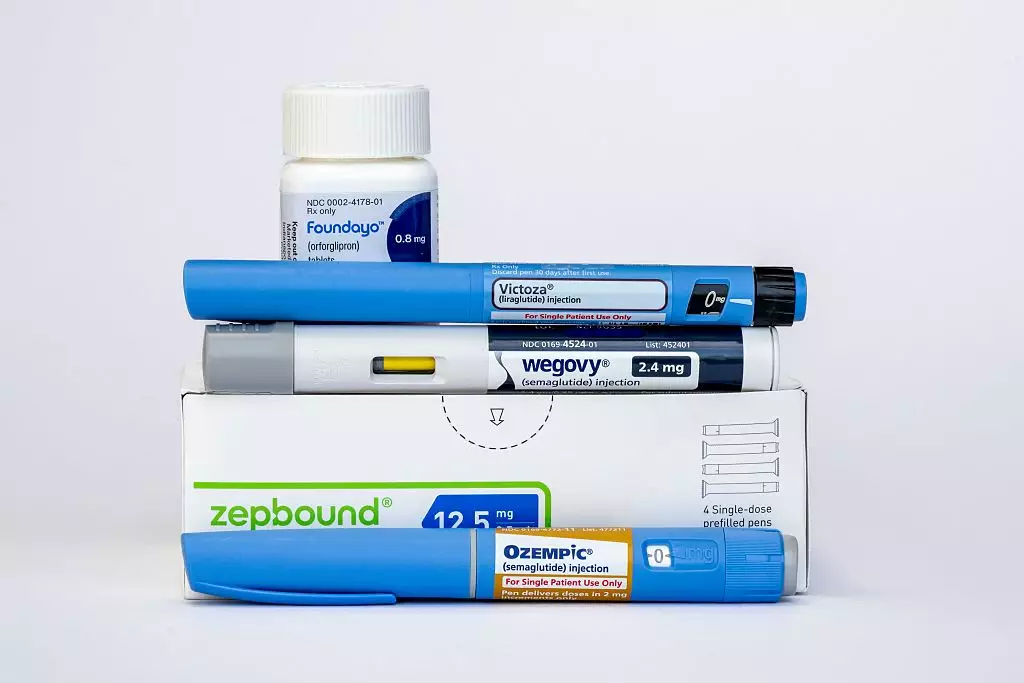
Retatrutide is sometimes called the ‘Godzilla’ jab or ‘Triple G’ because it targets three hunger-regulating hormone receptors at once. The CDC has hailed it as a “groundbreaking advancement” for treating obesity and type 2 diabetes.
Huberman described the drug as ‘a more mild agonist of GLP-1’ that also raises levels of glucagon and GIP, engaging three different pathways “each a bit more subtly” than drugs like Ozempic or Zepbound. Due to this balanced, multi-receptor method, he noted that the drug has a “lower side effect profile,” yet still allows weight loss of up to a third of body weight over approximately a year.
For those interested in fitness or longevity, Huberman highlighted that retatrutide seems to have “some muscle sparing effect,” a benefit largely absent from earlier versions of such treatments.
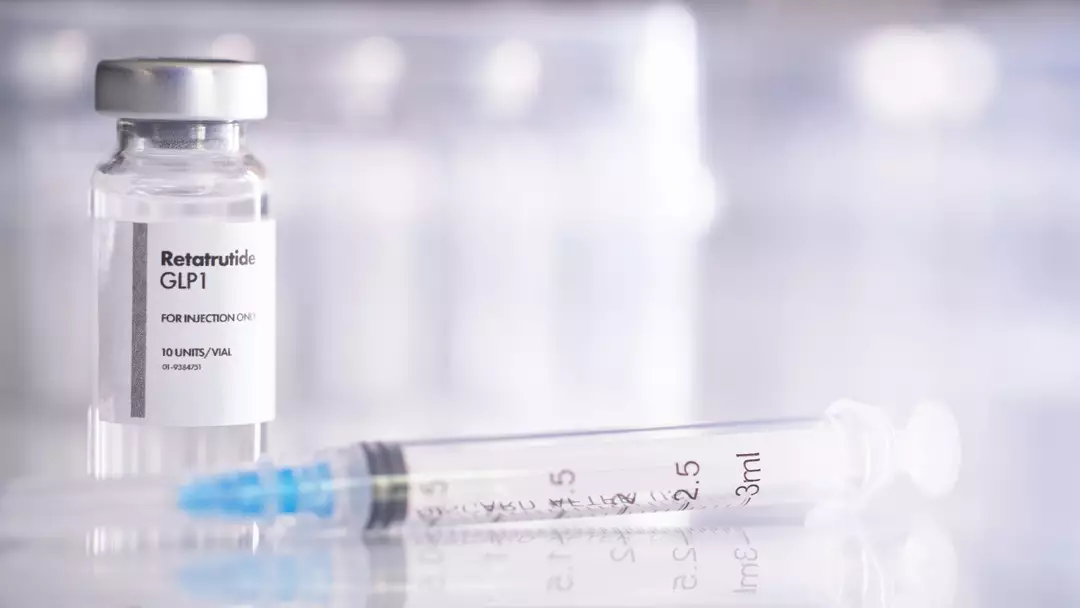
Despite the excitement, retatrutide is not FDA-approved yet and is undergoing Phase 3 clinical trials to evaluate its effectiveness and safety in treating type 2 diabetes, chronic low back pain, and cardiovascular and renal outcomes.
Post-trials, Eli Lilly, the manufacturer, will have to apply for FDA approval, a process taking roughly a year. If all goes well, the drug could be available by 2027 or 2028.
Due to its pending approval, a gray market of compounding pharmacies and online peptide suppliers has emerged to cater to those unwilling to wait.
In a statement to LADbible Group, Eli Lilly cautioned against this, noting: “Retatrutide is an investigational medicine, available only in Lilly’s clinical trials. It has not been approved by any regulator, anywhere. No one can legally sell it for human use. ‘Research use only’, counterfeit, and black market medicines are untested, unregulated and potentially dangerous.”
Huberman expressed similar concerns on the podcast, advising against unregulated online sources.
“They can say 99% purity, but that 1% means there could be some LPS,” he explained, referring to lipopolysaccharides, a type of bacterial toxin.
“LPS will cause inflammation. One injection isn’t gonna do it, but multiple injections over time, I could see where that could become problematic.”
Paltrow concurred, likening the present peptide craze to the unregulated supplement market of the 90s, “where there’s really no third-party testing and it’s kind of word of mouth.”

Both she and Huberman advised that anyone considering these therapies should avoid unverified sellers and consult a medical professional first.
The results observed so far have been impressive.
Earlier this month, Eli Lilly disclosed that the drug resulted in an average weight loss of 28.3% over 80 weeks in its Phase 3 TRIUMPH-1 trial, which included 2,339 obese and overweight adults with weight-related health issues unrelated to diabetes.
Participants experienced an average weight loss of between 19 and 28 percent, alongside an average reduction of 9.5 inches from their waistlines.
Among participants on the 12mg dose, 65.3% had achieved a BMI below 30 by the end of 80 weeks.
However, like any medication, retatrutide does have drawbacks, with reported side effects like nausea, vomiting, diarrhea, and constipation.
UNILAD has reached out to Eli Lilly for additional comments.