
If you’ve ever endured a lengthy domestic flight in the US, this might pique your interest.
The Federal Aviation Administration has recently taken a significant step to potentially make cross-country flights much quicker by eliminating a restriction that has been in place since the 1970s.
This alteration pertains to overland supersonic travel, which was effectively prohibited in the US starting in 1973 due to issues related to the loud sonic booms produced by aircraft exceeding the speed of sound.
This restriction has been a significant factor in aviation history, contributing to the limitations faced by the Concorde, which was not allowed to fly supersonic over land in the US. Concorde eventually retired in 2003 after struggling to remain profitable solely on transatlantic routes.
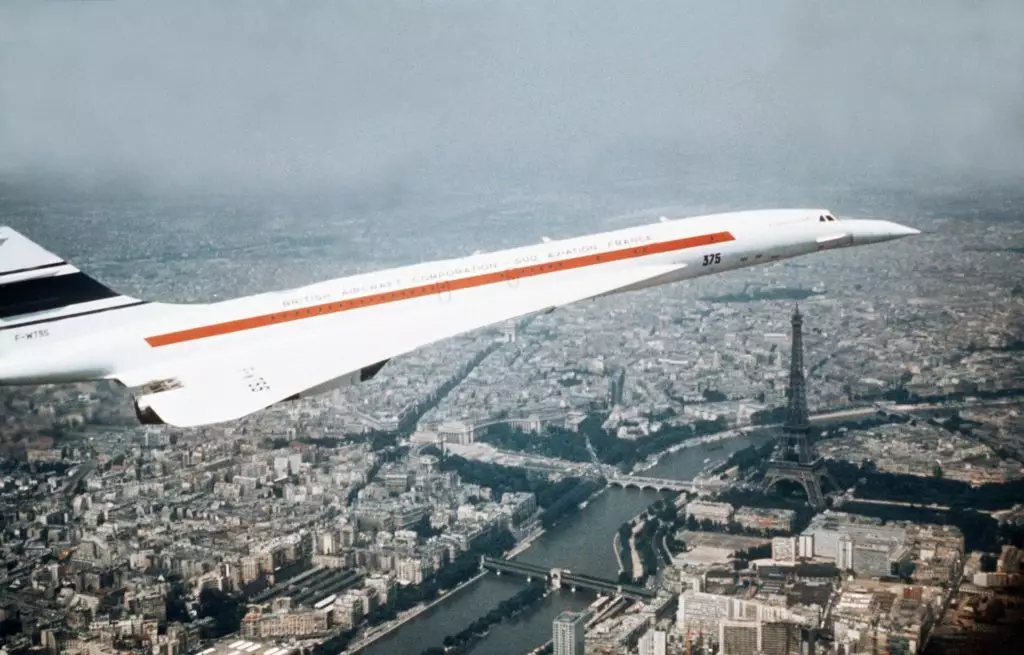
After more than five decades, the FAA has decided to lift this ban, replacing it with new noise limit standards.
Reports suggest that this change could cut travel time between Los Angeles and New York from about six hours to approximately three, significantly altering domestic air travel in the US.
Supersonic aircraft can travel faster than Mach 1, which exceeds 770mph, compared to the usual 550 to 600mph cruising speeds of commercial airliners today.
FAA Administrator Bryan Bedford explained to the New York Post that advancements in aerospace engineering and aircraft design might soon eliminate the issue of disruptive sonic booms.
“This means we can ultimately repeal the ban from the 1970s on supersonic flight over U.S. territory while minimizing noise impacts to residents in communities along the route and near airports,” he stated.
The FAA is anticipated to propose separate standards for takeoff and landing noise later this year, with the new regulations expected to be completed by mid-2027.
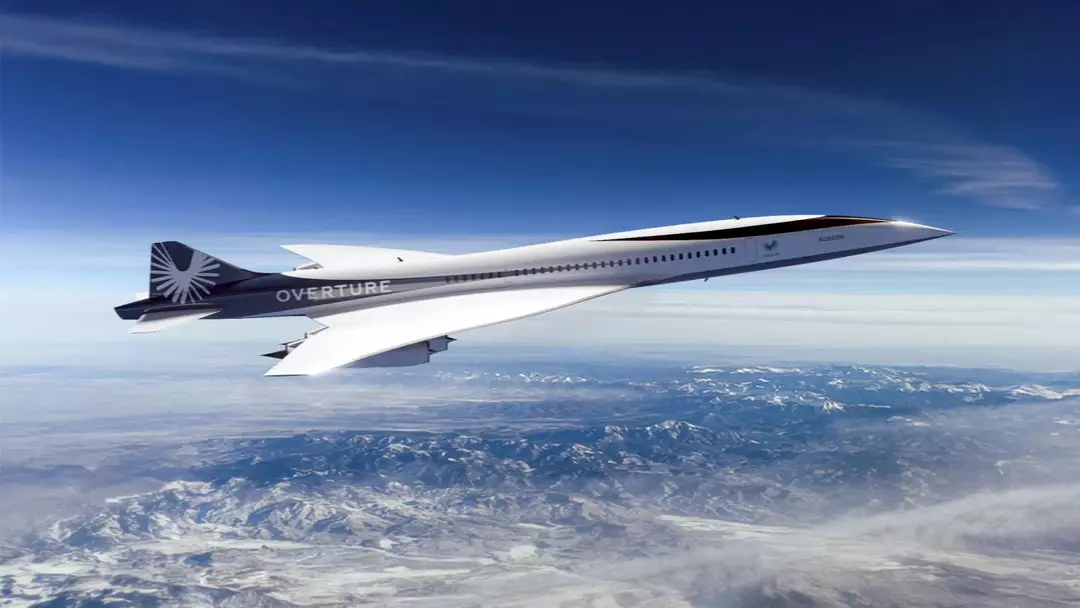
Several companies are already advancing efforts to reintroduce supersonic travel, including Boom Supersonic based in Colorado, which claims to have secured orders from United Airlines, American Airlines, and Japan Airlines for jets that can carry between 60 and 80 passengers.
Meanwhile, Spike Aerospace in Atlanta is developing a supersonic private jet targeting high-end luxury travel.
This development follows a 2025 executive order signed by President Donald Trump, arguing that the ban on supersonic flights was ‘weakening our global competitiveness.’
The order proclaimed, “Advances in aerospace engineering, materials science, and noise reduction now make supersonic flight not just possible, but safe, sustainable, and commercially viable.”
This represents a significant change from the stance in the 1960s, when experiments in Oklahoma City investigating sonic booms caused damage such as shattered windows and cracked walls, leading to public outcry and the eventual 1973 ban.