
A psychologist has shared insights into five common tactics that grocery stores utilize to encourage shoppers to spend more money, including the unexpected influence of in-store music.
Many of us have experienced going to the grocery store for a single item and leaving with bags full of unplanned purchases. But have you questioned why this happens?
According to experts, grocery stores are intentionally crafted to make it difficult to stick to just one item. They employ a range of psychological techniques that most shoppers are unaware of.
Psychologist Eloise Skinner has identified five methods that stores use to subtly increase consumer spending—and some may surprise you.
“Shoppers have to pass through the entire store before getting to the everyday items,” Skinner noted.
On the way to essential items, she explained that, “Offers are strategically placed throughout the store can also keep our attention high as we progress through a shop.”

Retail expert Kayleigh Fazan pointed out, “Most customers believe they’re making completely independent choices, but visibility has a huge influence on what ends up in the basket.”
You might have noticed that familiar items like bread are sometimes moved to new locations, and this is no accident.
Skinner added, “It increases uncertainty about location of items, and encourages consumers to engage with new products or ways of shopping.”
“Stores can certainly use layout as a tool to keep people engaged and interested while shopping – mixing up the layout can lead to a longer time in store,” she continued.
Entering a grocery store can often be an overwhelming experience, with red labels, product stacks, and urgent signs creating a sense of chaos.
This environment fosters impulsive buying behavior.
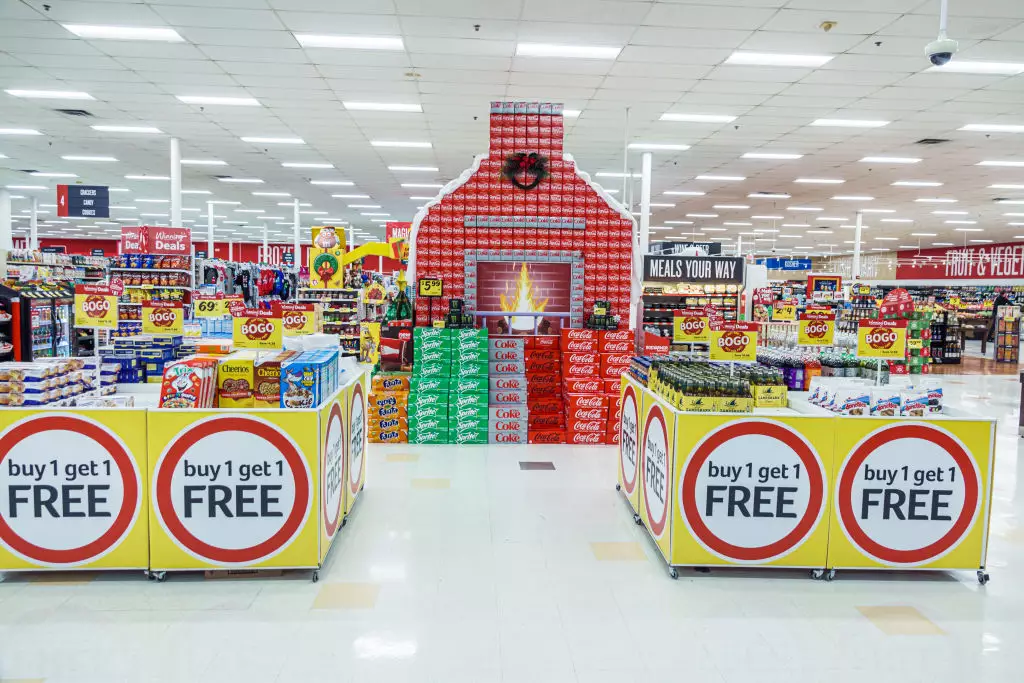
“Big displays at the entrance of the store focus on the senses (flowers, fresh fruit, big discounts or offers), which can put consumers in a positive or open mindset,” Skinner explained.
Fazan added, “Retailers understand that shopping is often emotional rather than purely rational. Multi-buy offers, limited-time promotions, and strategic product groupings create a sense of value and convenience that encourages additional purchases.”
If you’ve ever found yourself enjoying the store’s background music, that’s deliberate too.
“Supermarkets generally pick ambient music over recognizable songs, since ambient music allows us to process the music as part of the background, rather than feeling distracted by recognizable tracks – or becoming aware of the time passing and wanting to finish shopping quicker,” Skinner mentioned.
Interestingly, she noted, “There’s also some distinction between music played on weekdays and at weekends, with research suggesting music has a more positive consumer impact on shoppers during the week.”
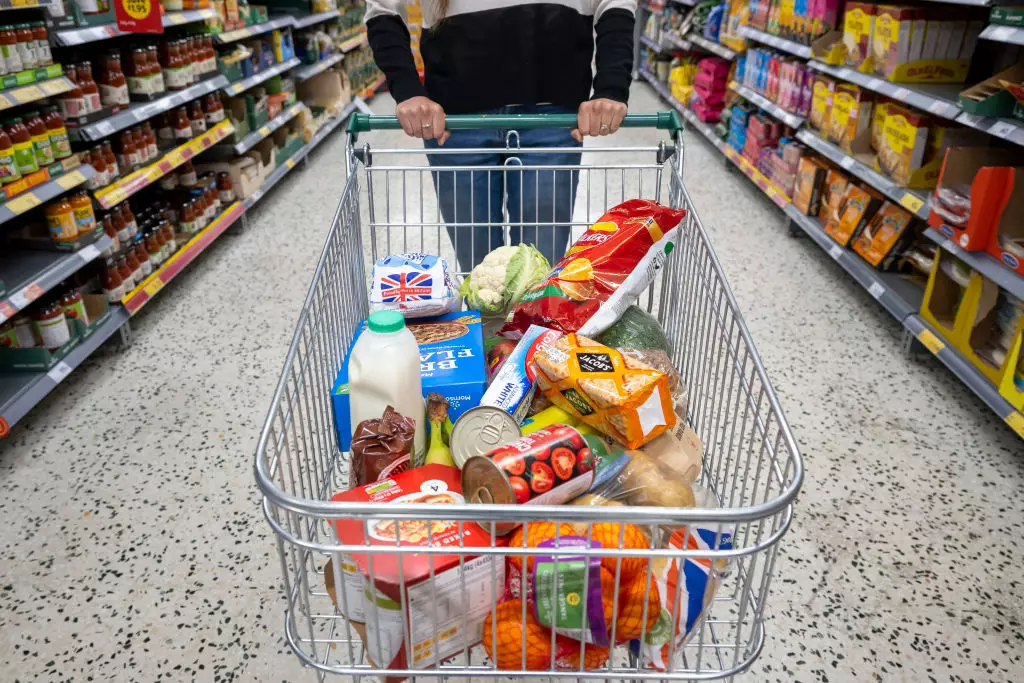
The availability of shopping cart sizes can also influence spending. If smaller carts are missing, it might encourage you to fill a larger one.
“Making shopping carts bigger can lead us to filling the cart more, with a subconscious understanding that we haven’t shopped sufficiently if the cart is not full,” Skinner explained.
All these tactics, alongside placing high-value items at eye level, using price comparisons, and advertising ‘deals’, stack the odds against consumers who are looking for genuine bargains.