
As summer approaches, many might consider starting GLP-1 injections to get in shape before a planned vacation, but this may not be the best idea.
The urge to be in excellent shape before heading to a sunny destination is common. However, Caroline Balazs BSc, MSc, IP, a weight loss expert and founder of SkinnyJab, recommends postponing the use of weight loss injections until after your holiday.
While it might seem like an ideal time to embark on a new health regimen, there are significant drawbacks that could potentially spoil your vacation.
Dr. Donald Grant, GP and Senior Clinical Advisor at The Independent Pharmacy, previously advised UNILAD readers to be cautious during extreme heat and to “maintain wellbeing and ensure the treatment remains safe and effective.”
However, there are now additional reasons to avoid starting these medications in the weeks leading up to your trip.
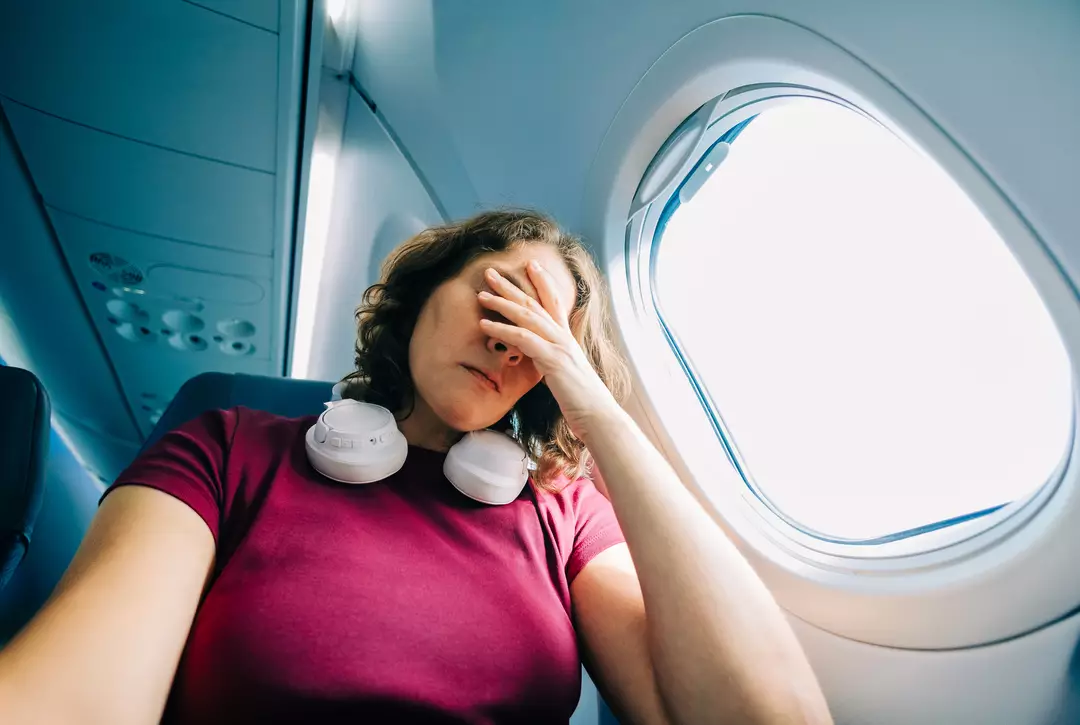
According to Balazs, “Starting a GLP-1 medication like semaglutide right before a holiday is one of the biggest timing mistakes people can make.”
She understands the temptation: people want to feel slimmer, more confident, and in control before a trip.
However, this decision can have health consequences.
Balazs stated, “In reality, they may be swapping holiday confidence for nausea, dehydration, and stomach issues.”
The initial weeks of starting the medication tend to be when side effects are most pronounced, another reason to avoid beginning treatment just before traveling.
This occurs because the body is adjusting to a medication that alters gut movement and brain responses to food, leading to nausea, vomiting, diarrhea, appetite changes, and food aversions, often before any weight-loss benefits are realized.
“Discovering these side effects during a long-haul flight, in hot weather, on a boat trip, or at a much-anticipated restaurant is far from ideal,” she advised, and she’s right.
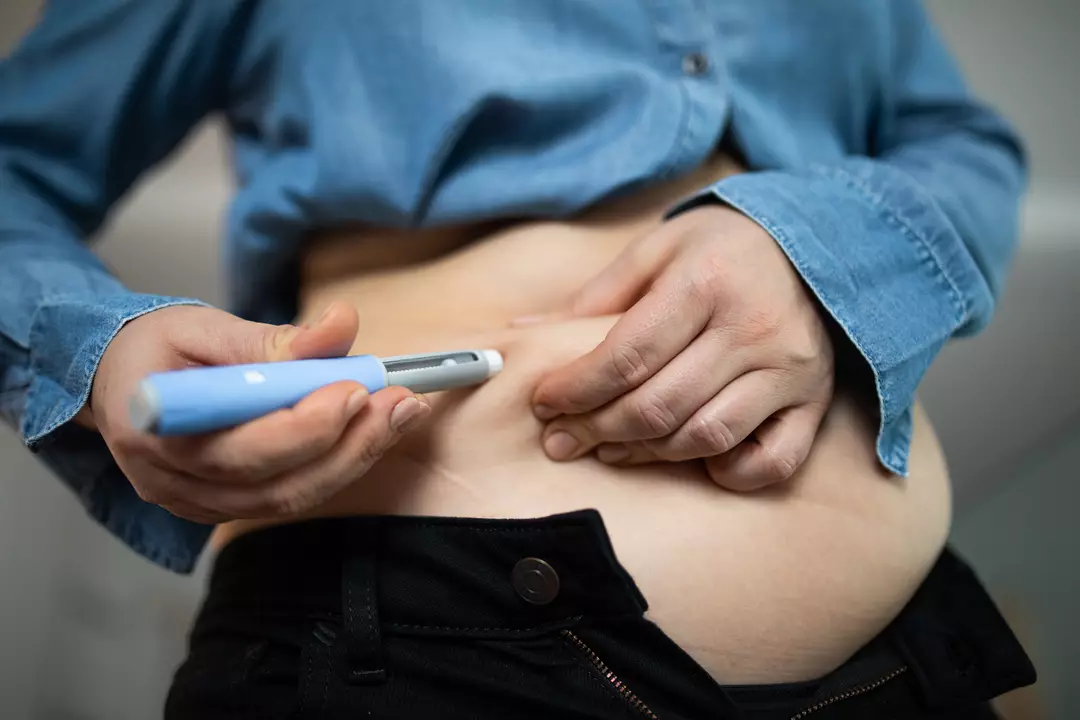
Balazs pointed out that these medications can slow gastric emptying, causing food to remain in the stomach longer.
When combined with travel, heat, alcohol, or unfamiliar foods, it can lead to feeling unwell.
She cautioned, “People need to be really honest with themselves about why they want to start right before a holiday. If the hope is that they’ll suddenly feel slimmer, more confident, or ‘holiday ready’ within two weeks, that’s not realistic. Meaningful weight loss takes months, not days, and what they’re more likely to notice early on is nausea, diarrhea, food aversions, dehydration, and a holiday spent feeling anxious about their stomach rather than enjoying themselves.”
Balazs emphasized, “I call it ‘all side effects, no payoff’. The medication may be very effective over time, but the first few weeks are not usually the glamorous transformation stage. They are the adjustment stage.”
Dehydration is another underestimated risk. If vomiting or experiencing diarrhea in a hot climate, fluid loss can occur quickly, sometimes requiring medical attention, making it a risk not to be taken lightly.
Additionally, practical considerations, such as the need to keep GLP-1 medications refrigerated before opening, must be addressed. Traveling with them requires a medical cool bag, adherence to hand-luggage rules, and possibly a doctor’s letter, which can be challenging for those new to the medication.
The risk is that someone might invest months saving for a holiday only to start a new medication at an inopportune moment, resulting in anxiety about eating or drinking, or feeling too unwell to enjoy their trip.
For those already on a GLP-1, consulting with a prescriber before traveling is advised. If considering starting one, it’s advantageous to wait until after returning home, where you can properly monitor your body’s response.
It’s difficult to dispute that advice.