
Recent studies have highlighted a notable difference between older adults and younger individuals who use GLP-1 medications, which you might want to consider before starting your treatment.
GLP-1 medications have gained popularity across various age groups, addressing a range of health concerns.
Some individuals aim to use these medications to reduce the risk of weight-related health issues, while others are motivated by the desire to achieve a slimmer figure for personal satisfaction.
One common effect observed across different demographics is weight loss, resulting in a leaner appearance.
However, this seemingly beneficial outcome might not be advantageous for everyone in the larger context.
A recent examination of seven randomized controlled trials, focusing on individuals over the age of 65, revealed that seniors on the highest dose experienced a weight loss of approximately 23.3% of their initial weight, surpassing the weight loss of younger participants by one to two percent.
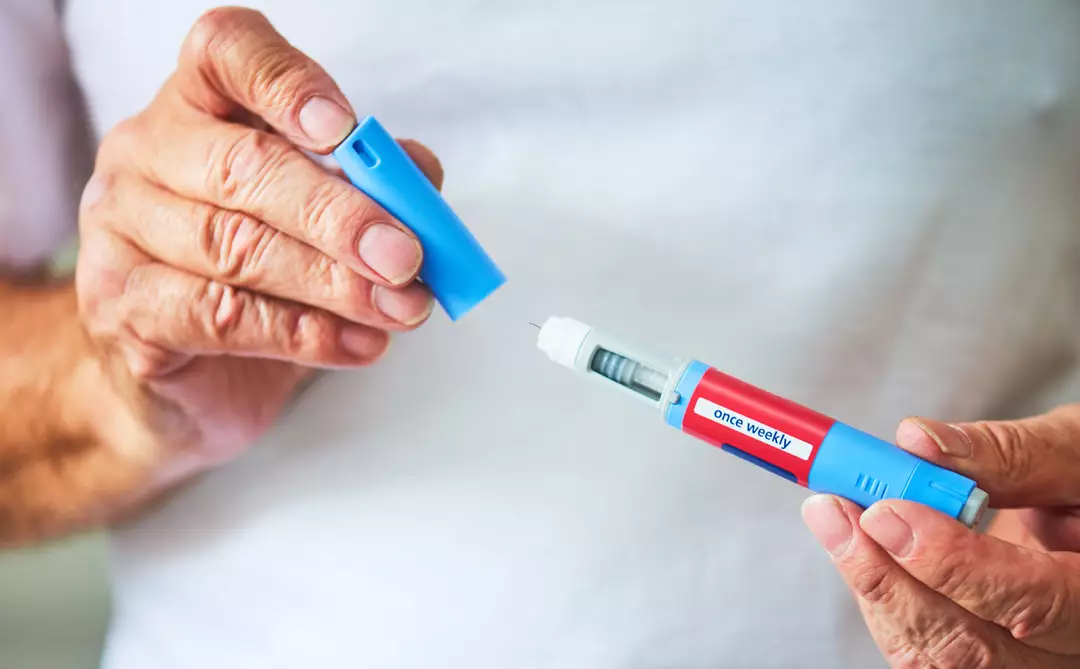
Experts have expressed concern that this could pose risks.
Dr. John Batsis, a geriatrician and nutritionist at the University of North Carolina’s Gillings School of Public Health, shared with CNN that older adults have physiological differences compared to younger users.
“An older adult is very different than a younger adult. Their physiology is different, their biology is different, and what is important from an outcome standpoint is different, as well,” he stated.
Due to these differences, the effects of GLP-1 medications can vary significantly, affecting not just fat but also muscle structure.
“I think GLP-1s, and what we really know about them, is still kind of in its infancy,” said Dr. Jennifer Schrack, the director of the Center for Aging and Health at the Johns Hopkins Bloomberg School of Public Health.
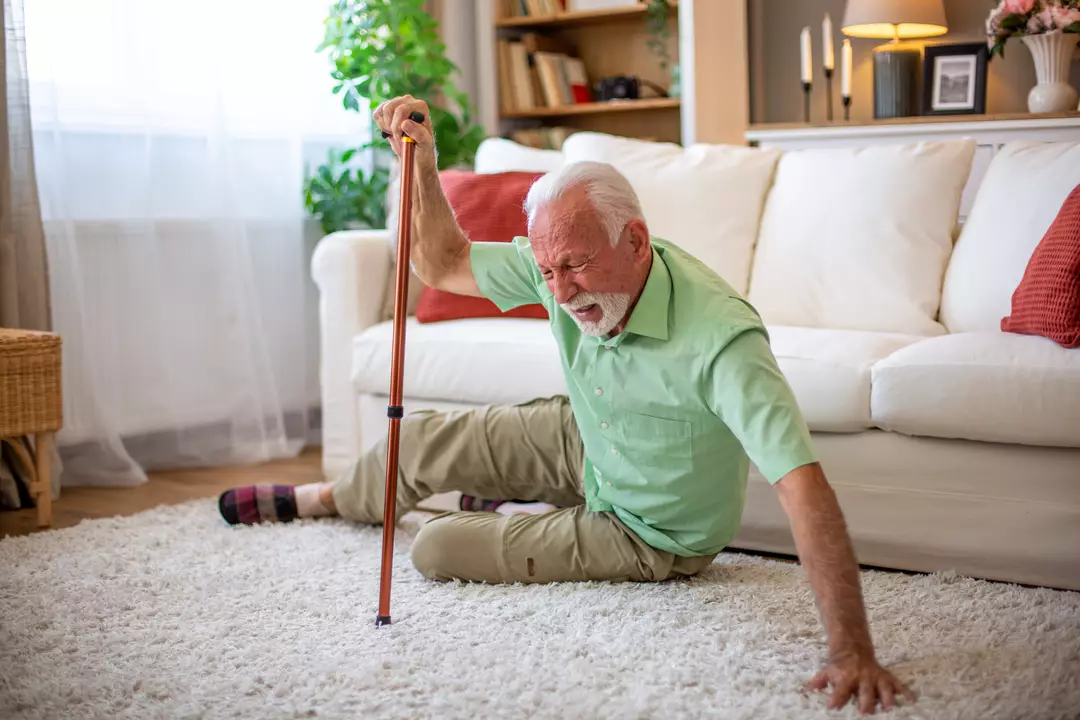
She mentioned that older adults with balance or bone mass issues might lose muscle, impacting their stability and increasing their risk of fractures.
This could also heighten the risk of falls, she noted.
“When you lose weight, you lose fat, but you also lose muscle and bone,” Batsis added. “Just because you lose muscle doesn’t necessarily mean you’re losing function, though.”
It is important to note that weight loss, regardless of the method, can pose risks for older adults, not exclusively through GLP-1 medications.
This is because the concern lies with the body’s composition rather than the means of achieving weight loss.