
The ‘6-7’ meme, which has taken schools by storm, remains perplexing for many older generations trying to decipher its meaning.
Initial explanations suggest that the phrase lacks inherent meaning and is simply a nod to Philadelphia drill rapper Skrilla’s track ‘Doot Doot’.
Some theories propose that the phrase, accompanied by a hand gesture, gained popularity through a TikTok user who humorously commented that 6’7″ NBA player LaMelo Ball plays as if he’s only 6’2″.
Interestingly, these modern meme enthusiasts might be engaging with a concept that traces back to the late medieval period. This idea was first documented in English by ancient writers who also found significance in the numbers six and seven.
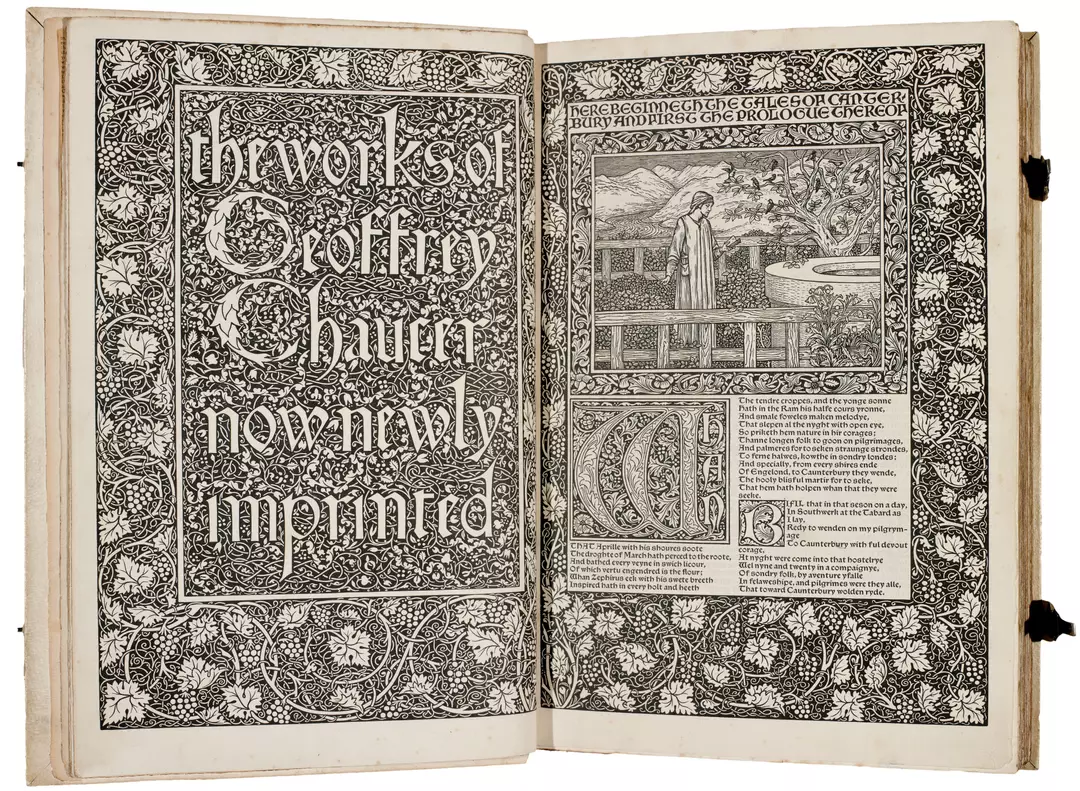
One of the earliest mentions of this pair of numbers appears in the works of 14th-century poet Geoffrey Chaucer. Known for his sometimes bawdy poetry, Chaucer is often credited with laying the foundation for the English literary tradition.
In his epic poem Troilus and Criseyde, which recounts the tale of two tragic lovers in ancient Greece, Chaucer inadvertently crafted a line that resonates in today’s classrooms.
Criseyde’s uncle, acting as a broker for the forbidden love affair, urges Troilus to take decisive action and ‘manly set the world on sixe and sevene.’
When translated from Middle English, this line reveals the historical meaning of ‘6-7’ that preceded Skrilla’s modern usage.
Troilus is effectively being encouraged to ‘risk all on a six or seven,’ a nod to a dice game called ‘Hazard.’ In this game, achieving a six or seven was statistically unlikely and was generally avoided by players.
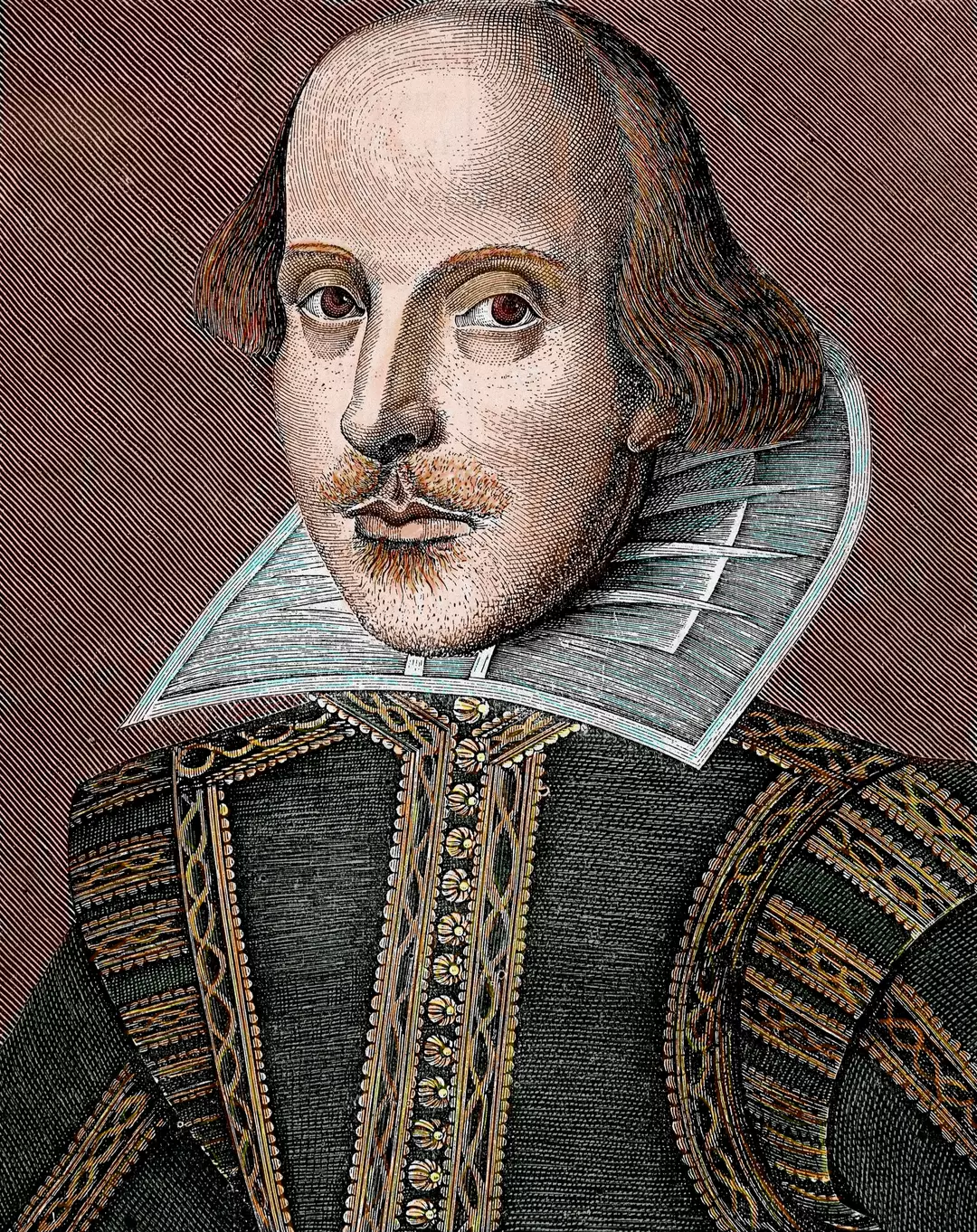
William Shakespeare, celebrated as one of the greatest writers of all time, also made reference to the concept that would capture the attention of today’s younger generations.
Like Chaucer, Shakespeare alludes to the game of Hazard, a precursor to craps, and popularized a phrase that persists today.
In Richard II, Shakespeare describes a state of chaos and misfortune with the words, ‘All is uneven, and everything is left at six and seven.’
Drawing on this historical connection, David Marcus discussed in a Fox opinion piece how the Hazard game, prevalent in British pubs and inns, defined the phrase ‘6-7’ as an unfavorable outcome.
Marcus explained: “In the game, a player would call out the number he was trying to shoot for, or make, with two six-sided dice. Five, eight, and nine were the most likely results. Six and seven, gamblers quickly discovered either through math or experience, offered lower odds and hence less chance of winning.”
Jane Austen, known for her iconic Regency-era romances like Pride and Prejudice, also reflected the enduring nature of this concept in her writing.
In her incomplete novel Catherine, or The Bower, penned before her fame, Austen illustrates how the dice game metaphor evolved over time.
Instead of merely symbolizing risky numbers, Austen employs the metaphor to portray her heroine’s tumultuous inner life.
‘Everything as she expressed herself be at sixes and sevens,’ Austen wrote in 1792.
Scholars interpret this line as a challenge to the rigid notions of femininity during Austen’s era, emphasizing the complexity and contradictions of women’s internal experiences.
So, when a student mentions the ‘6-7’ meme, you can enlighten them by explaining how Chaucer, Shakespeare, and Austen all tapped into this concept long before it reemerged in popular culture.