
Abi Smith was on a flight to the United States in 2019 when she sensed something unusual.
The 30-year-old from Stirchley in the West Midlands, UK, was on her way to a vacation. During the flight, she noticed her vision starting to blur.
Initially, she dismissed it as a side effect of the long-haul journey and continued without concern.
Upon reaching the US, Abi began experiencing additional symptoms, prompting her to suspect that something was amiss.
While on holiday, she started losing mobility in her right leg, followed by her left leg, and found herself struggling to grip objects properly.
When holding even a kitchen utensil became challenging, she realized it was time to seek medical attention.
Abi visited a local hospital in the US where a CT scan was performed, but the results showed nothing abnormal.
After returning to the UK, Abi went to Queen’s Hospital in Burton upon Trent, where she underwent an MRI scan.
The scan revealed a serious issue.
Initially, doctors thought Abi might have suffered a stroke due to her inability to move the right side of her body, including her eye, which is a typical symptom.
However, the scan results indicated that she had a glioma.
This is a cancerous brain tumor located at the base of her brain, which had also spread to the top of her spine.
Reflecting on her diagnosis, Abi shared: “When I was given my diagnosis, I was on my own, and although I was terrified, I felt a sense of relief that the medical team had a plan.”
Symptoms of a glioma can include headaches, seizures, nausea and vomiting, personality and cognitive changes, one-sided weakness or numbness, and double-vision. The prognosis depends on the tumor’s stage.
Abi’s tumor was located in an area deemed inoperable by surgeons, but in July 2019, they successfully removed the portion on her spine.
This was followed by radiotherapy and a six-month course of chemotherapy.
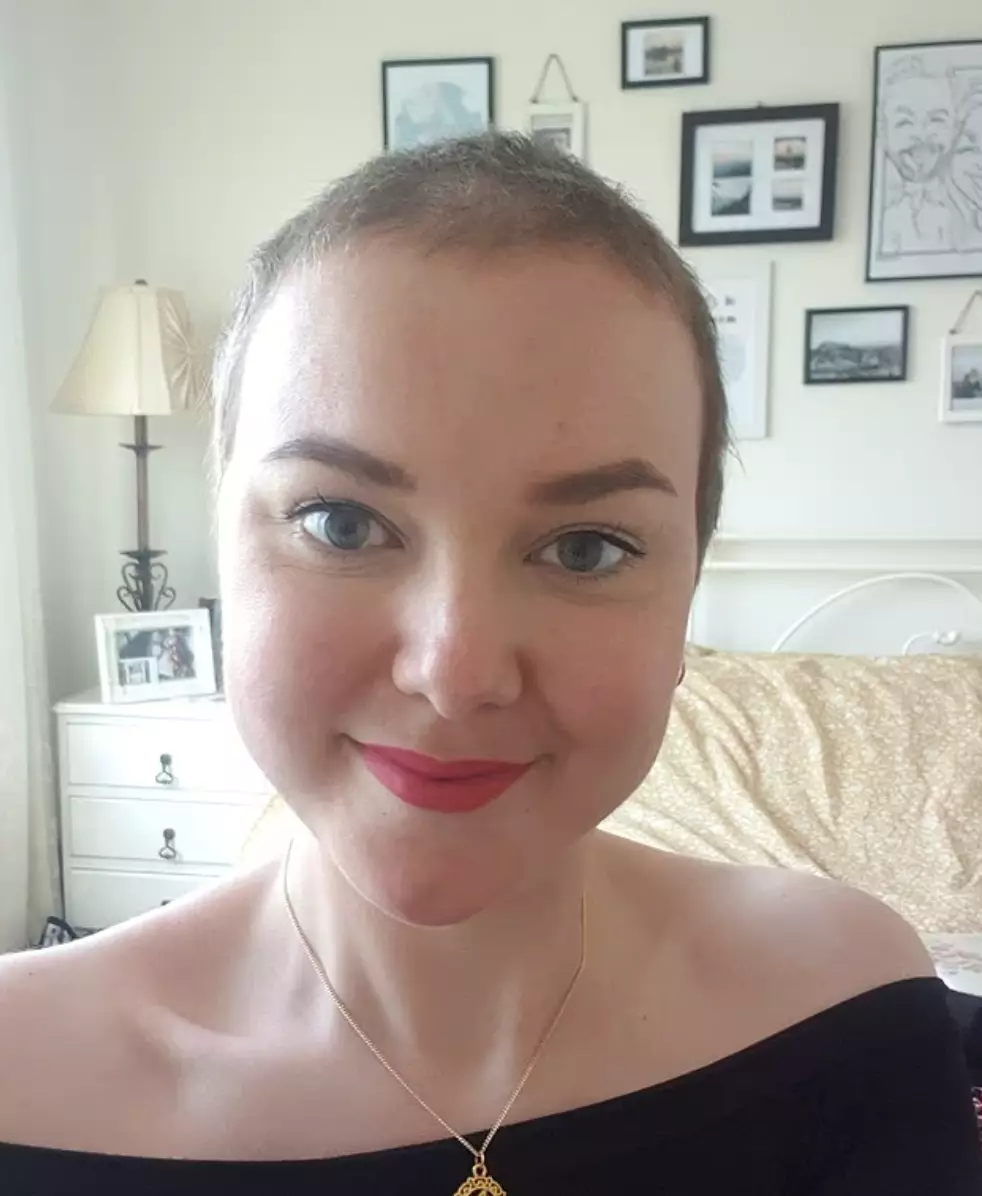
“Treatment was harsh, and I lost my hair,” she stated. “It was a small price to pay for the amazing treatment that managed to considerably shrink my tumor.”
Abi now attends regular checkups for ongoing monitoring.
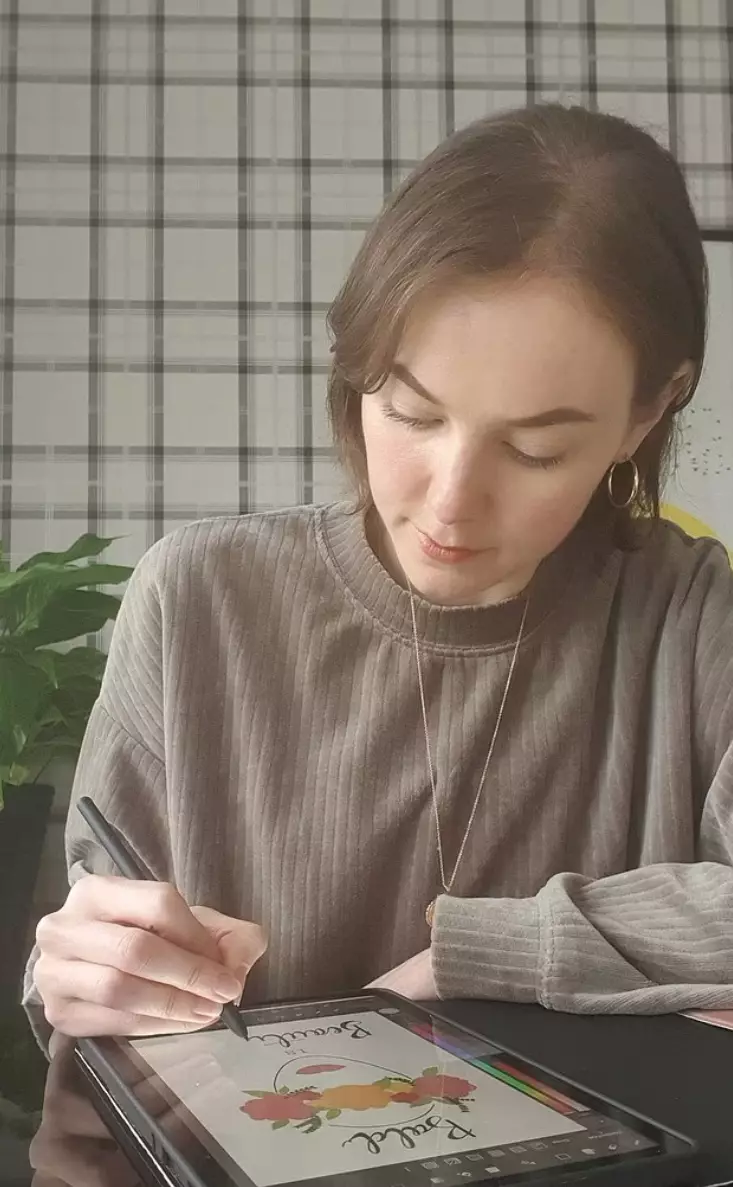
She also operates a greeting card business called The Cancer Card, with proceeds supporting the Brain Tumour Research Christmas Appeal.
“More funding is urgently needed to understand, treat, and ultimately cure brain tumors,” she emphasized.
“This Christmas, I’m encouraging people to support the appeal. Every pound donated helps fund the breakthroughs we desperately need.”