
While it seems everyone is trying weight loss injections these days, are they truly the most effective choice?
Before the rise of GLP-1s, intermittent fasting was the go-to method.
Scrolling through TikTok or Instagram now reveals a mix of videos showcasing WIEIAD (What I Eat In A Day) from individuals using semaglutide injections, alongside those practicing intermittent fasting. Some of these fasting advocates post under ‘OMAD’ (One Meal A Day) or discuss eating during specific time windows daily.
Semaglutide injections, like Ozempic and Wegovy, are primarily used for diabetes treatment but have gained attention for weight loss as well.
On the other hand, intermittent fasting involves voluntarily restricting eating to specific times, focusing more on when rather than what you eat.
But have you considered which method might actually be more suitable for you?
An expert conducted a comparison of the two approaches and analyzed the outcomes.
The findings might surprise you…

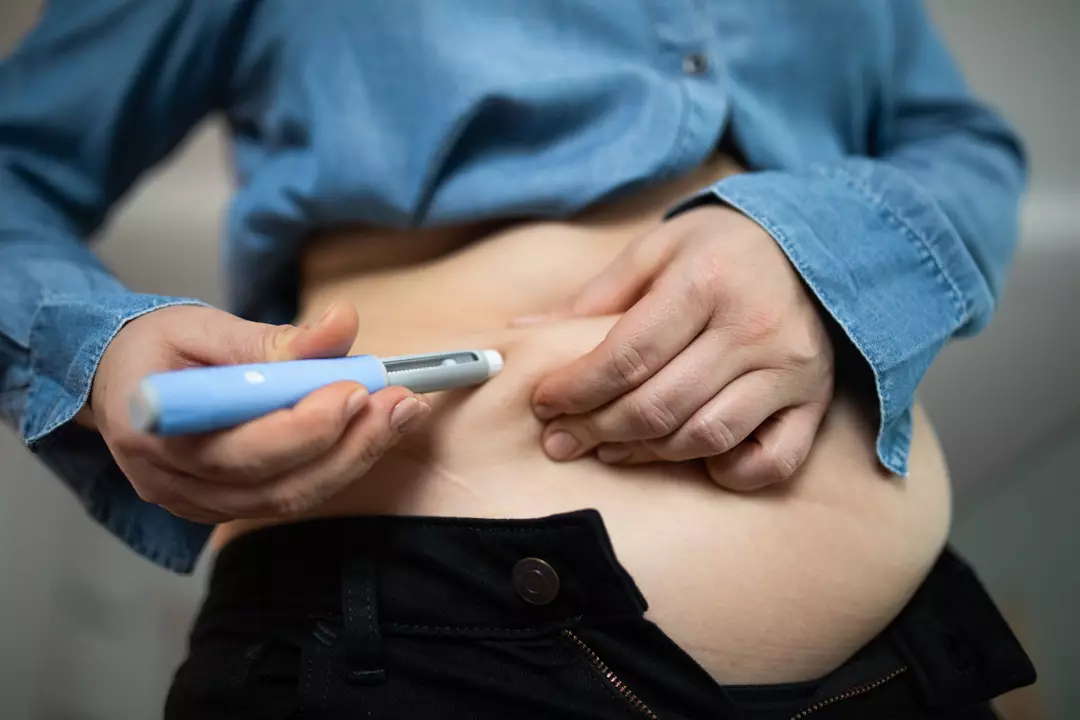
The expert analysis revealed that the outcomes for both methods were remarkably alike.
A notable distinction is that ‘intermittent fasting is a lifestyle choice, whereas semaglutide is a medication,’ differing in terms of cost and commitment.
Experts suggest that the most successful approach is the one that suits your needs best.
It ultimately comes down to whether you can maintain a routine with intermittent fasting or OMAD, or if semaglutide injections are necessary to manage hunger.
Both strategies are tools that offer different benefits.
They are most effective when combined with dietary, exercise, and lifestyle changes for sustainable weight loss.
Some individuals find success by combining both methods.

It’s essential to stay hydrated and consult with your doctor before making any significant lifestyle changes.
The study concluded that intermittent fasting holds a slight advantage over semaglutide as it enhances metabolic health and may improve cardiovascular function.
It can also support brain health, and researchers appreciated that there is no additional cost involved with this method.
They also noted that intermittent fasting enhances insulin sensitivity, though some people find it challenging to rely on willpower without medication.
The decision is up to you!
UNILAD reached out to Novo Nordisk for comment.