
The internet has been a source of both bizarre and delightful discoveries, with the most recent being a simulation video that shows us how newborns perceive the world.
After viewing this video, it becomes clear why babies often look a) surprised and b) overwhelmed. Their reactions make more sense now.
In addition to an endless supply of cat pictures, countless recipes, and nonstop TikTok dances, the internet also serves as a valuable educational resource.
WebMD, the website we often consult for self-diagnosis, especially when dealing with headaches, has produced a video that explains the stages of visual development in infants.
“Wondering how babies see the world? Infant sight develops at different rates… newborns can spot things that are right beside them with their side vision.”
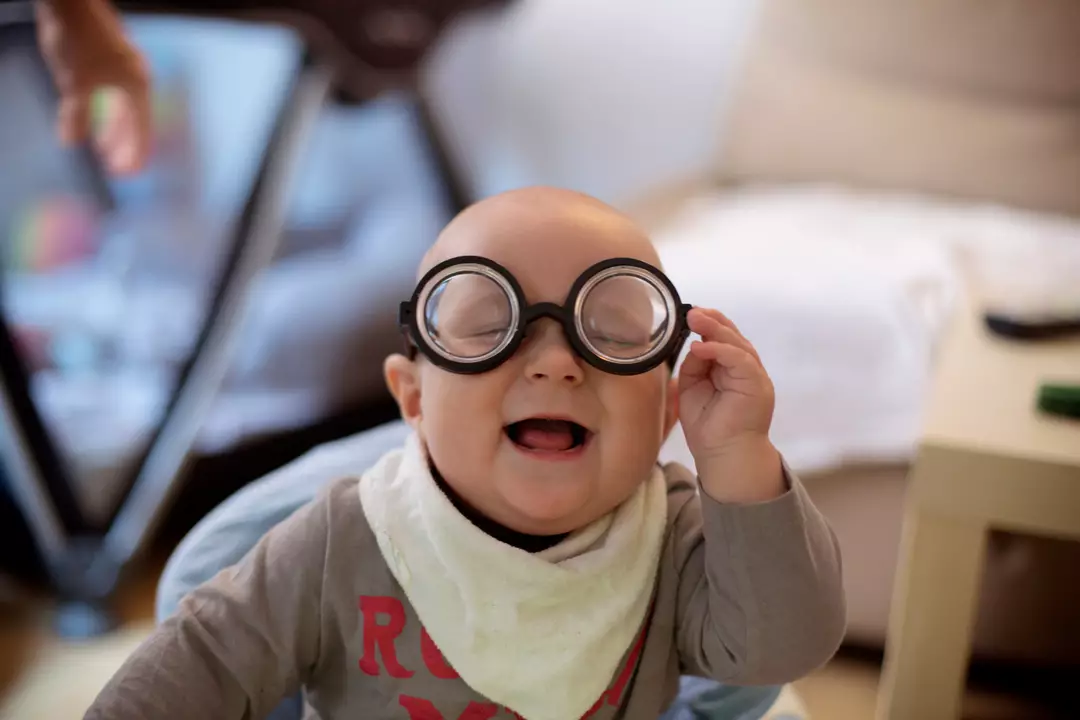
The video illustrates that newborns have underdeveloped central vision, often leading to a blurry view of their parents.
About two weeks later, infants begin to detect contrasts between light and dark, and may also start to be drawn to bright colors.
By the time they reach a month old, they can focus momentarily on their parents.
Recognition of parents by sight, alongside the development of depth perception, typically begins around months five through eight.
From months nine to twelve, babies enhance their ability to perceive depth.
Many viewers expressed surprise at how limited a newborn’s vision actually is.
“As a former full-time baby, this is true,” one user humorously acknowledged.
Another remarked: “No wonder they’re freaking out. They just see big shadows in front of them the whole time.”
One person commented: “Poor little ones, I just thought that they were fighting for attention!”
An intrigued watcher shared: “Interesting! No wonder my baby sister was so still as an infant. I remembered her eyes being half shut for a couple of months. Then one day, she opened them wide!”
A parent added: “My kid was one month old and I used to show her birds. She never noticed. I thought she was disinterested, but then I learnt that she can’t even see them.”
Nevertheless, some disagreed: “Babies recognize parents wayyyyy before 5 months, from my experiences knowing people.”
One mother was convinced: “I’m sure my baby can see more than this!!”
Another noted: “My little one definitely recognised faces earlier,” while someone else confirmed: “My niece at 4-5 months could recognise us easily.”
Others critiqued ‘beige’ parents who prefer muted color palettes in their homes, arguing that bright colors play a crucial role in infant development.